Munich travel guide
Local insights, practical information & inspiration.
Munich is a city of contrasts held together with remarkable confidence. Baroque churches and royal residences stand beside contemporary architecture; traditional beer gardens coexist with international fashion, technology and design; and the urban landscape opens naturally towards lakes, forests and the Bavarian Alps. It is both a major European business centre and a city that understands leisure exceptionally well.
Renting a luxury car in Munich provides freedom beyond the boundaries of the Altstadt. The historic centre is largely explored on foot, but the value of a self-drive vehicle becomes clear when connecting Munich Airport, a central hotel, Nymphenburg Palace, BMW Welt, Lake Starnberg, Tegernsee and the mountain roads towards Garmisch-Partenkirchen. It also creates the possibility of longer journeys into Austria, Switzerland, northern Italy or other parts of Germany.
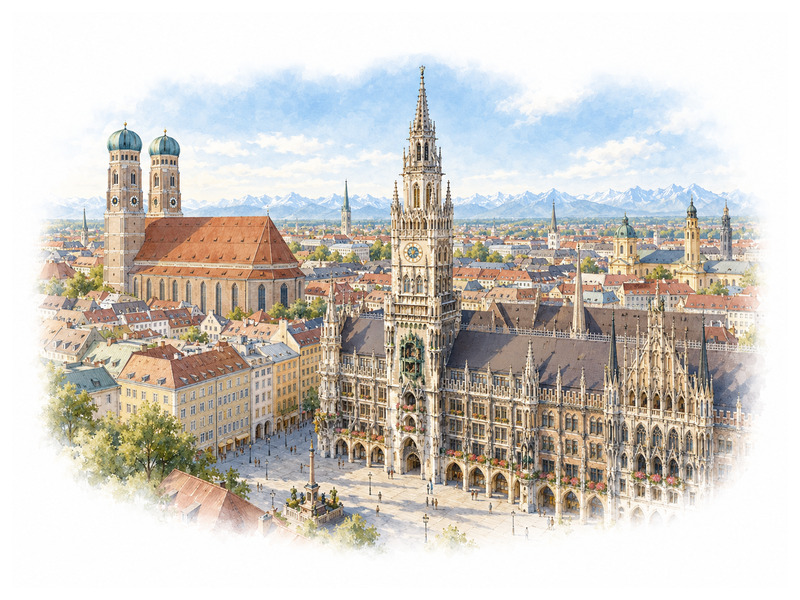
Marienplatz forms Munich’s historic heart. The Neues Rathaus dominates the square with its neo-Gothic façade and famous Glockenspiel, while the Frauenkirche’s twin towers remain the city’s most recognisable silhouette. Kaufingerstraße and Neuhauser Straße connect Marienplatz with Karlsplatz through Munich’s principal pedestrian shopping zone.
The nearby Viktualienmarkt brings a more intimate rhythm through food stalls, flowers and local specialities. Continue towards the Residenz, once the seat of Bavaria’s rulers, and then along Maximilianstraße, where historic architecture meets luxury boutiques and grand hotels. These central areas are best experienced after leaving the car in a secure garage.
Munich’s automotive identity is essential to the destination. BMW Welt, the BMW Museum and the company’s distinctive headquarters sit beside the Olympic Park, presenting engineering, design and mobility within a broader cultural setting. For clients arriving to collect a performance car or attending an automotive event, Munich feels like an appropriate starting point for a European driving itinerary.
Nymphenburg Palace lies west of the centre and offers a more spacious royal landscape. Its formal gardens, canals and collections provide a contrast to the dense Altstadt. A luxury rental car makes it easy to combine Nymphenburg with districts such as Schwabing, Bogenhausen or the museum quarter without reorganising the entire day around transfers.
The Englischer Garten is one of the city’s defining spaces, extending through lawns, woodland and riverside paths. Parking around popular entrances can be difficult, particularly in warm weather. It is often better to use a hotel garage or structured car park and approach the central sections on foot.
Beyond Munich, Lake Starnberg is among the most natural first excursions. Its elegant lakeside towns, villas and Alpine views suit a relaxed half-day or romantic weekend. Ammersee offers a quieter alternative, while Tegernsee combines water, mountain scenery, refined hotels and restaurants within a route that feels designed for a cabriolet or grand tourer during the mild seasons.
The road south leads towards Garmisch-Partenkirchen and the Zugspitze region. In summer, the landscape invites hiking, lake visits and panoramic drives; in winter, it becomes an important destination for skiing and mountain hotels. Weather, traffic and equipment can change the character of the journey completely, making vehicle selection especially important.
Neuschwanstein and Hohenschwangau can be incorporated into a full-day excursion or a longer Bavarian itinerary. The castles cannot be approached freely by private car all the way to their entrances, and visitors use designated parking areas before continuing on foot or by authorised local transport. Tickets and time slots should be arranged in advance during busy periods.
Other rewarding routes include Herrenchiemsee and Lake Chiemsee, the historic city of Augsburg and selected sections of the Romantic Road. Salzburg is also within practical reach for a longer itinerary, subject to cross-border permission and Austrian motorway-vignette requirements. A multi-country journey should always be declared before the vehicle is delivered.
Munich Airport is one of Europe’s principal international gateways and lies northeast of the city. Exinoir can arrange delivery and collection at selected airport locations, hotels, private residences and other agreed addresses. Exact handover arrangements depend on terminal access, parking rules, the vehicle and the scheduled time.
Spring and early autumn provide excellent conditions for a Munich self-drive holiday. Cabriolets can be enjoyed on lake and countryside routes, while the city remains comfortable for walking. Summer is ideal for mountain roads and long evenings, although holiday traffic and popular lakes can become busy. Autumn brings Oktoberfest, changing colours and significant demand for vehicles and accommodation.
Winter transforms the region. Munich’s Christmas markets create a romantic urban atmosphere, while the Alps offer snow-covered destinations within a relatively short drive. An all-wheel-drive SUV or suitably equipped grand tourer becomes more appropriate than a rear-wheel-drive supercar. Correct winter tyres and road-condition awareness remain essential regardless of the vehicle’s power or drivetrain.
A luxury car rental in Munich can also form part of a larger German or European journey. Stuttgart connects naturally with automotive culture; Nuremberg adds medieval history; Zurich and Innsbruck open the way towards Switzerland and Austria; Milan and Lake Como can be reached through a carefully prepared Alpine itinerary. Mileage, cross-border insurance, toll systems, winter equipment and one-way collection must all be agreed in advance.
Munich rewards travellers who combine precision with spontaneity. Plan the environmental-zone requirements and parking carefully, then leave enough time for an unplanned lake, a mountain restaurant or a quiet road through the Bavarian countryside. The city provides the structure; the self-drive car provides the freedom.
~
What to see in Munich and around
Begin at Marienplatz, where the Neues Rathaus creates Munich’s most celebrated urban scene. The Glockenspiel performance attracts large crowds at scheduled times, but the square is equally impressive early in the morning when the architecture can be appreciated more quietly. The Altes Rathaus marks the eastern edge of the square and leads towards the Viktualienmarkt.
The Frauenkirche stands only a short walk away. Its twin domes define the Munich skyline and remain visible from multiple parts of the city. Continue through Kaufingerstraße and Neuhauser Straße towards Karlsplatz, passing through the pedestrian centre rather than attempting to approach directly by car.
The Munich Residenz requires several hours for visitors interested in royal history, decorative arts and architecture. Its courtyards, state rooms, treasury and theatre reveal the scale of the former Bavarian monarchy. Nearby Odeonsplatz, the Theatinerkirche and the beginning of Ludwigstraße create one of Munich’s most formal ensembles.
Maximilianstraße combines prestigious shopping with nineteenth-century architecture. It leads towards the Bavarian Parliament and the River Isar, while the surrounding streets contain luxury hotels, restaurants and galleries. Secure parking should be arranged before arriving rather than searching along the boulevard.
For art, the Alte Pinakothek, Neue Pinakothek collection, Pinakothek der Moderne and Museum Brandhorst form an exceptional museum district. Opening schedules and temporary exhibitions vary, so a carefully selected programme is more realistic than attempting every institution in one visit.
BMW Welt and the BMW Museum are essential additions for an Exinoir client interested in automotive culture. The museum explores the manufacturer’s history, engineering and design, while BMW Welt presents current products in a highly contemporary setting. Combine the visit with the Olympic Park and its distinctive architecture.
Nymphenburg Palace offers grand interiors, collections and extensive gardens away from the busiest central streets. The palace grounds change beautifully with the seasons and work particularly well as part of a leisurely morning. Parking and access conditions should be checked for major events and peak weekends.
The Englischer Garten provides a different side of Munich. Walk beside the Eisbach, observe the famous river surfers from a safe position and continue towards the quieter northern sections. Beer gardens such as the one near the Chinese Tower are part of the social character of the park, but driving should never follow alcohol consumption.
Outside the city, choose destinations according to the season. Lake Starnberg suits an elegant, unhurried day; Tegernsee combines luxury hospitality with Alpine landscapes; Garmisch-Partenkirchen and the Zugspitze bring dramatic mountain scenery; Neuschwanstein offers one of Germany’s most recognisable cultural landmarks.
For a longer itinerary, continue towards Lake Chiemsee and Salzburg or west towards Augsburg and the Romantic Road. Munich is not simply a city with nearby excursions. It is the central point of a region where royal history, automotive engineering, lakes and mountains can be connected through a single carefully planned journey.
~
Driving in Munich: Parking, ZTL and Local Tips
Munich has an efficient road network, but central driving requires attention to the Umweltzone, pedestrian areas, resident-parking rules, cycle lanes and tram routes. A luxury rental vehicle should be checked for the correct environmental sticker before delivery, even when it is modern or fully electric.
Does Munich have a low-emission zone?
Yes. The entire area on and within the Mittlerer Ring is an Umweltzone. Vehicles entering this area must display a valid green environmental sticker linked to the vehicle’s registration plate. This requirement also applies to tourists, foreign-registered vehicles and electric cars.
Does the rental car already have the green sticker?
Vehicles regularly operating in Germany should normally be correctly equipped, but clients should still verify the windscreen before entering Munich. If a vehicle is delivered from another country, Exinoir must confirm that the correct sticker has been obtained for the exact registration plate.
Are older diesel vehicles allowed?
Diesel vehicles meeting Euro 4/IV or lower standards are generally prohibited within Munich’s environmental zone unless a recognised exception or individual authorisation applies. Modern rental vehicles will normally meet a higher standard, but the exact registration and emissions category should be checked rather than assumed.
Can I drive directly to Marienplatz?
No. Marienplatz lies within the pedestrian centre and has no ordinary visitor parking. Leave the vehicle in a suitable garage and complete the final part of the journey on foot. Kaufingerstraße, Neuhauser Straße and several adjoining streets are also pedestrianised.
Where should I park a luxury car?
Use a reputable hotel garage or structured public car park. Confirm height limits, entrance width, ramp angle, charging availability and key-retention rules before arriving with a supercar, long executive saloon or high SUV. Street parking is often regulated by district and time.
Is it easy to drive in central Munich?
The roads are generally well organised, but traffic can be heavy and cyclists, trams and buses require constant awareness. Construction work can change routes, while central one-way streets may make short journeys longer than expected. For sightseeing within the Altstadt, parking once and walking is usually more efficient.
What happens during Oktoberfest?
Traffic, hotel demand and parking pressure increase significantly. Roads around Theresienwiese may be closed or restricted, and alcohol makes self-driving inappropriate after visiting the festival. Keep the car securely parked and use public transport for the event itself.
Does Germany have unlimited Autobahn speed?
Some Autobahn sections have no fixed general maximum for passenger cars, but many sections have permanent or variable limits that must be obeyed. The recommended speed is 130 km/h even in favourable conditions. Traffic, weather, roadworks, tyres and the rental agreement may impose additional restrictions. An unrestricted section is not permission to drive beyond safe conditions.
Are winter tyres required?
Germany applies situational winter-equipment rules when roads have snow, ice, slush or frost. The correct approved tyres are essential, especially for Alpine journeys. Confirm the vehicle’s equipment and any snow-chain requirements before travelling towards Garmisch-Partenkirchen, Austria or mountain resorts.
Can I drive the rental car into Austria, Switzerland or Italy?
Only when international travel has been approved. Confirm insurance, mileage, roadside assistance, motorway vignettes, environmental requirements and winter equipment. Each country has different rules, so permission to cross the border does not remove local obligations.
Can Exinoir deliver the car to Munich Airport or my hotel?
Delivery and collection may be arranged at Munich Airport, selected hotels, private residences and agreed meeting points. Terminal restrictions, underground-garage dimensions and the environmental zone may influence the exact handover location.
Can I return the vehicle in another European city?
One-way collection may be possible in Stuttgart, Zurich, Vienna, Salzburg, Milan or another agreed destination. Availability and logistics costs depend on the vehicle, dates and route and must be confirmed before the rental starts.
~
Choosing the Right Luxury Car for Munich
Munich is one of Europe’s most versatile luxury-car destinations. Executive travel, automotive events, unrestricted regional motorways, elegant lakes and winter mountain routes require very different vehicles. The ideal choice depends less on prestige alone and more on the season, passenger count and journey beyond the city.
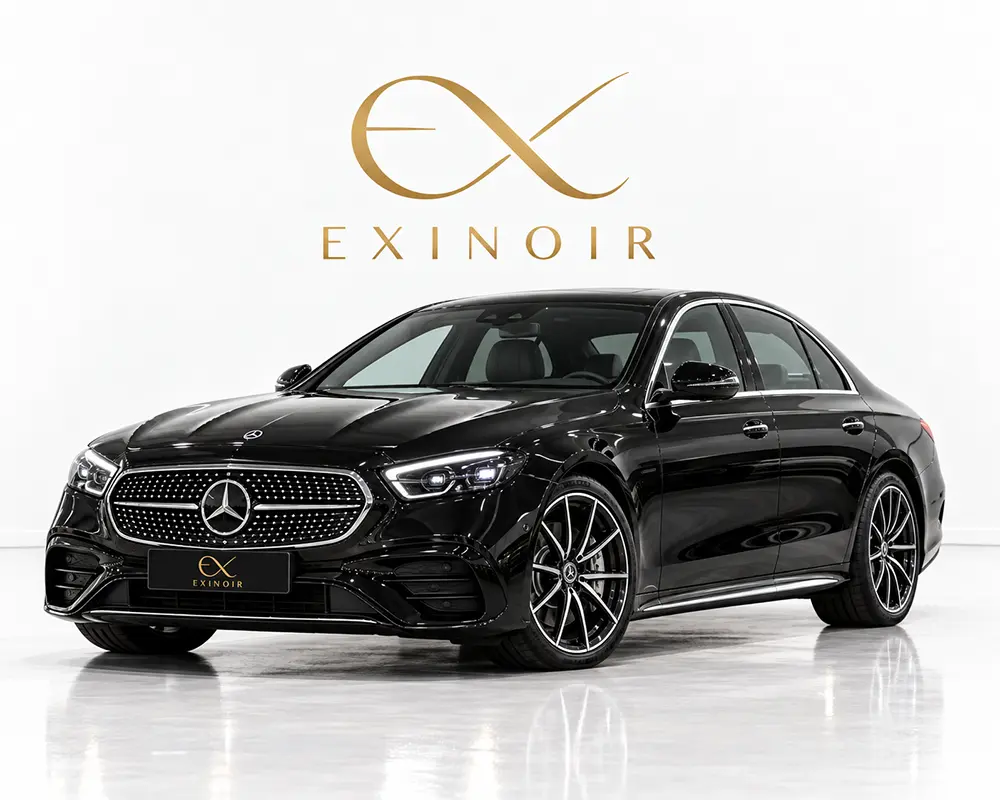
For business travel and refined urban use, a BMW 7 Series or Mercedes-Benz S-Class is a natural self-drive choice. Both provide quiet comfort for airport journeys, meetings and motorway travel, with enough space for luggage and rear passengers. Their length makes a pre-booked hotel garage preferable to spontaneous central parking.
The BMW M5 Touring is especially relevant to Munich. It combines the city’s automotive identity with genuine luggage capacity, all-weather usability and high-performance character. It can serve a business week, a family journey and a fast grand tour without the compromises of a two-seat supercar.
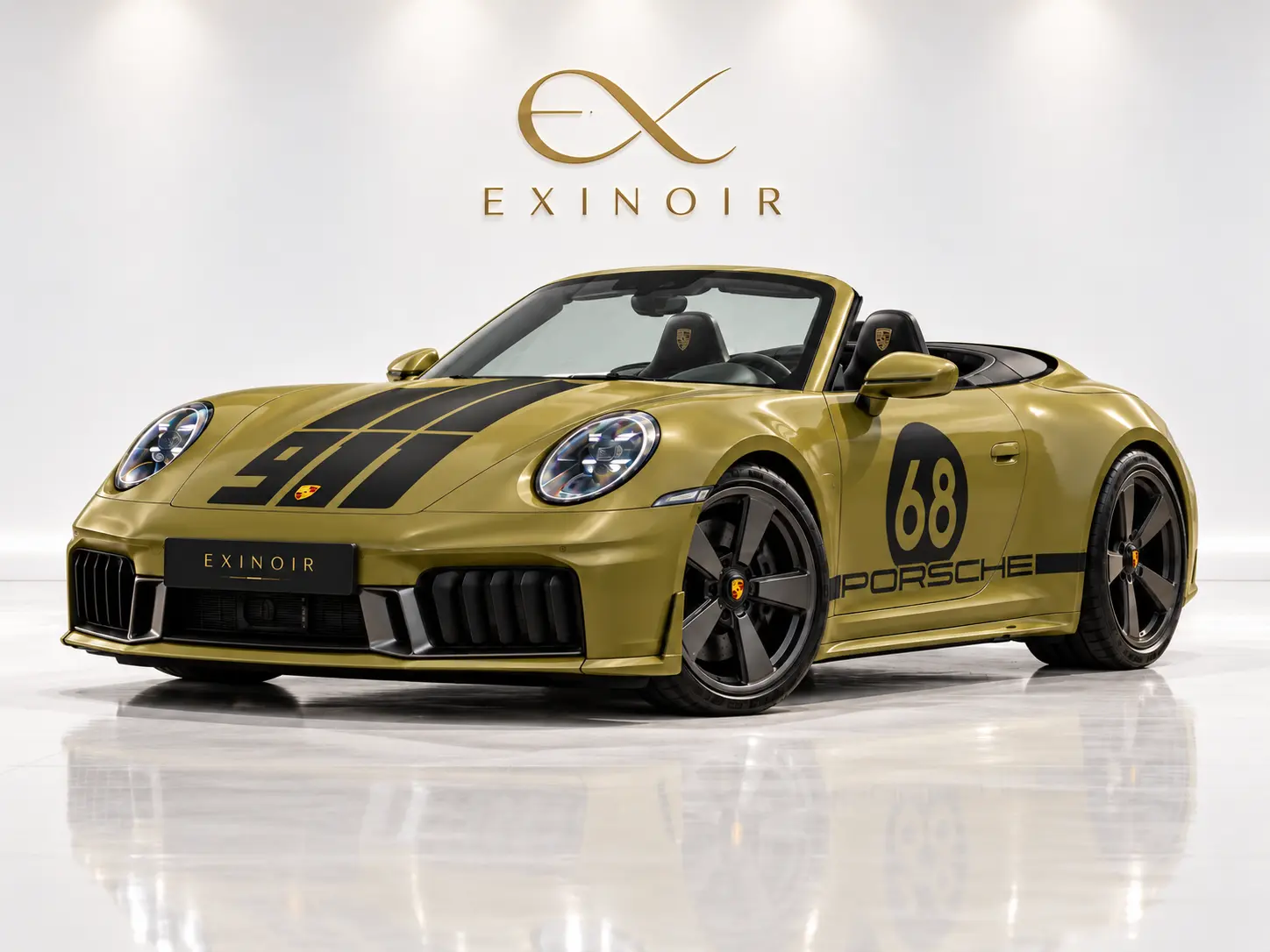
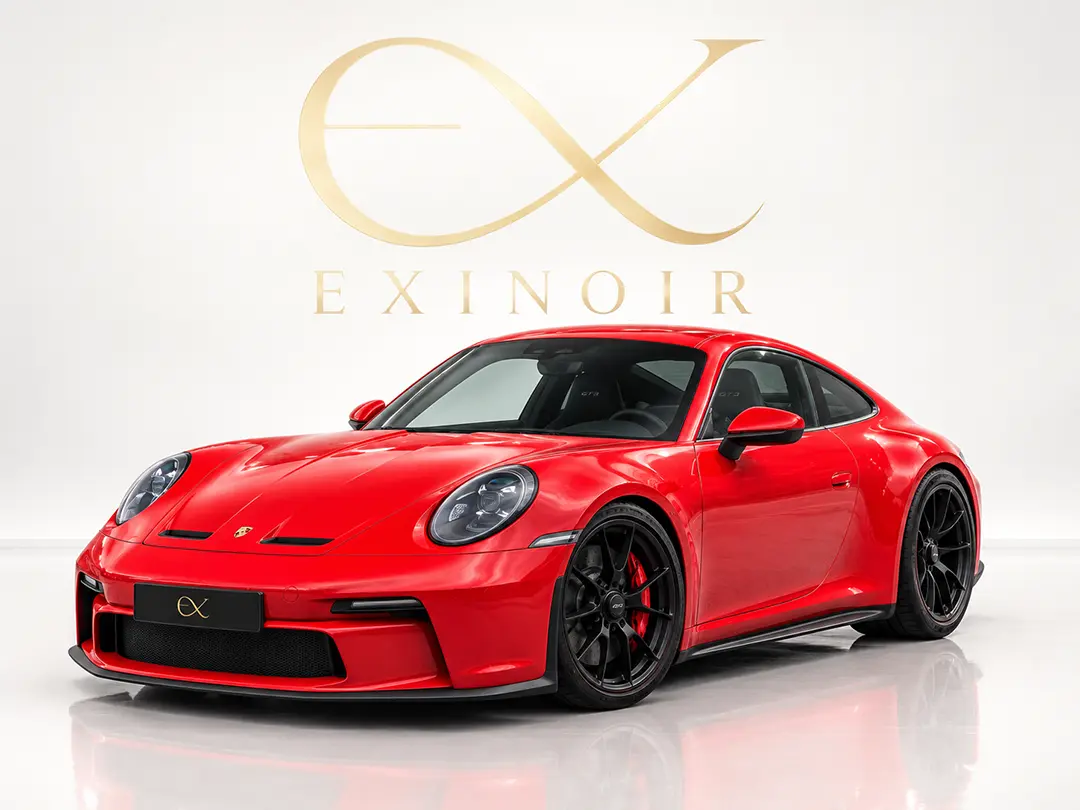
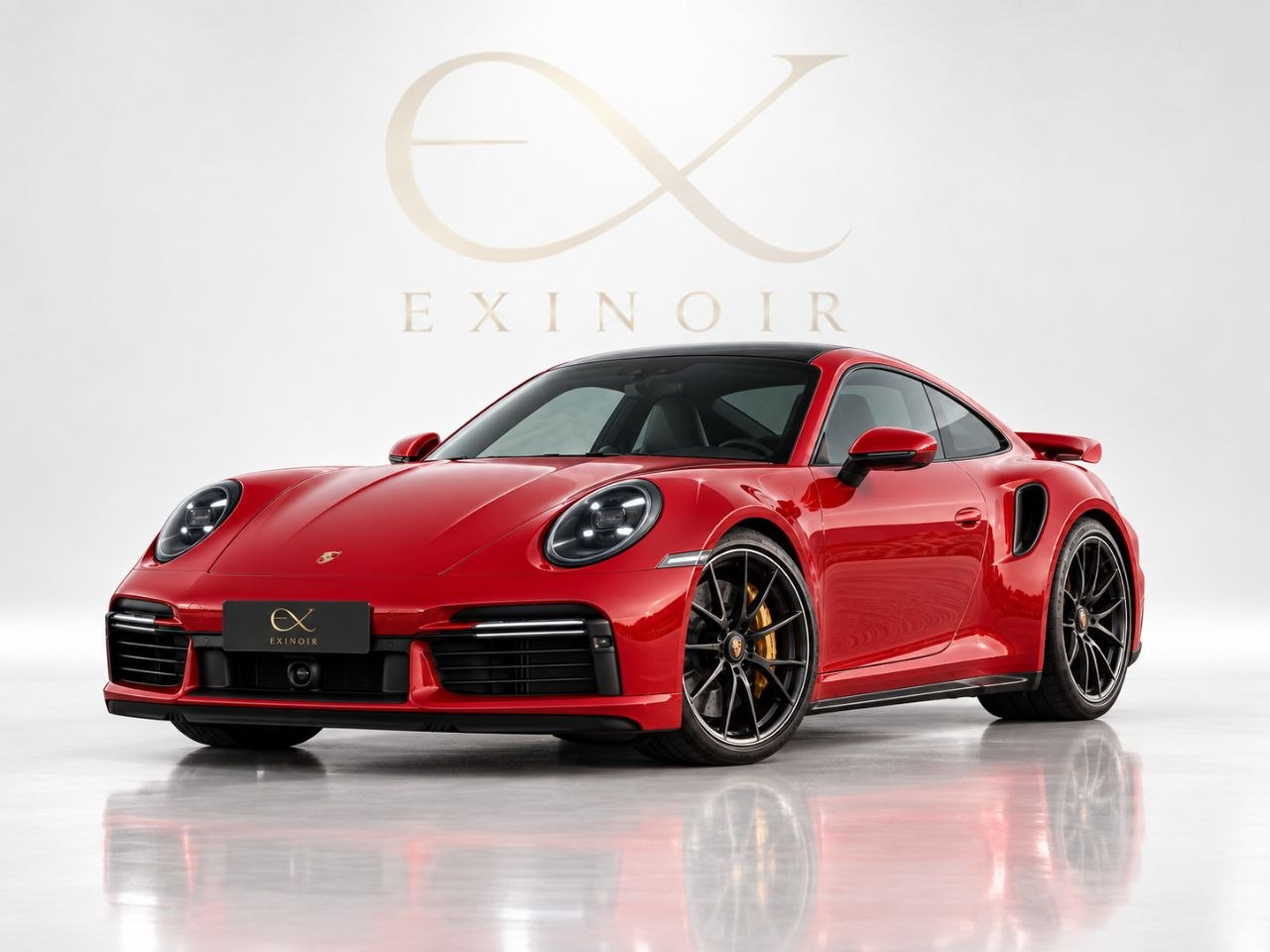
A Porsche 911 Carrera, Carrera GTS or Turbo S suits couples travelling between Munich, the Bavarian lakes, Stuttgart and Alpine destinations during suitable weather. Its compact dimensions are an advantage in garages, while its long-distance comfort makes it more versatile than many mid-engine exotics. Cabriolet versions are ideal for spring, summer and early autumn.
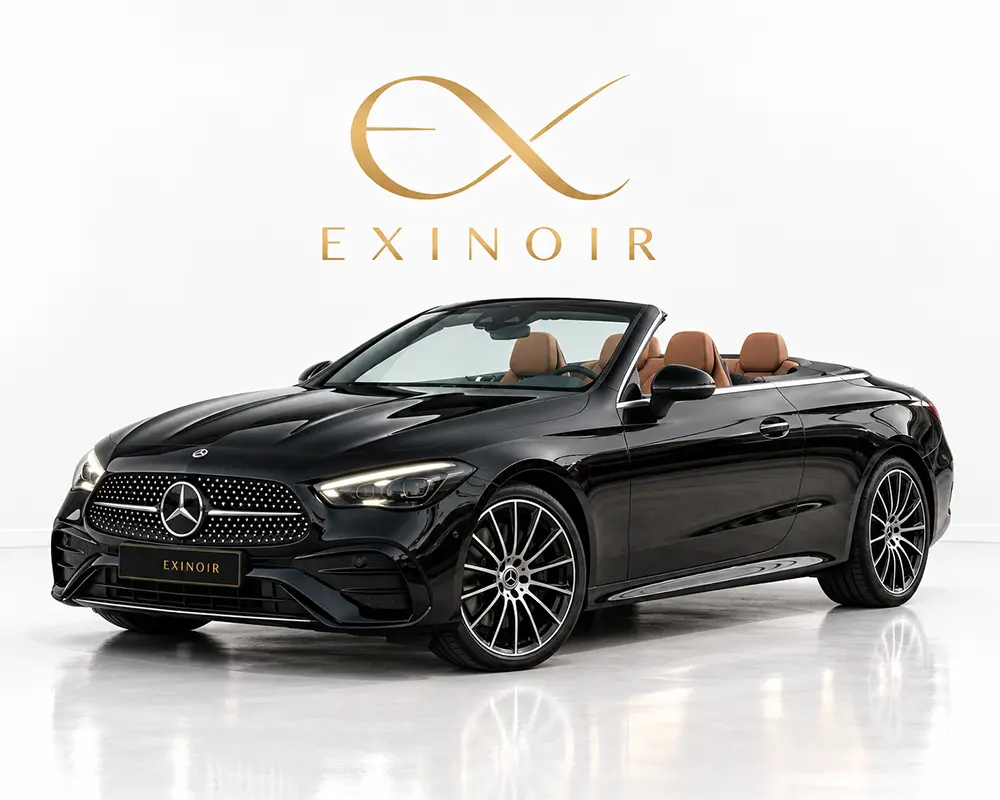
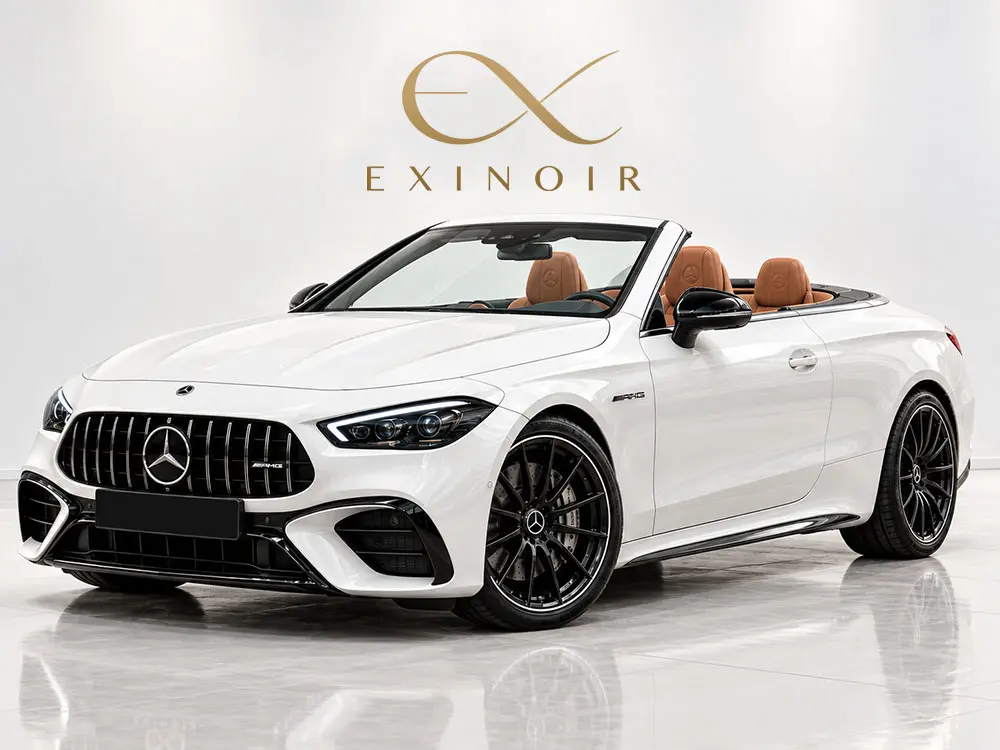
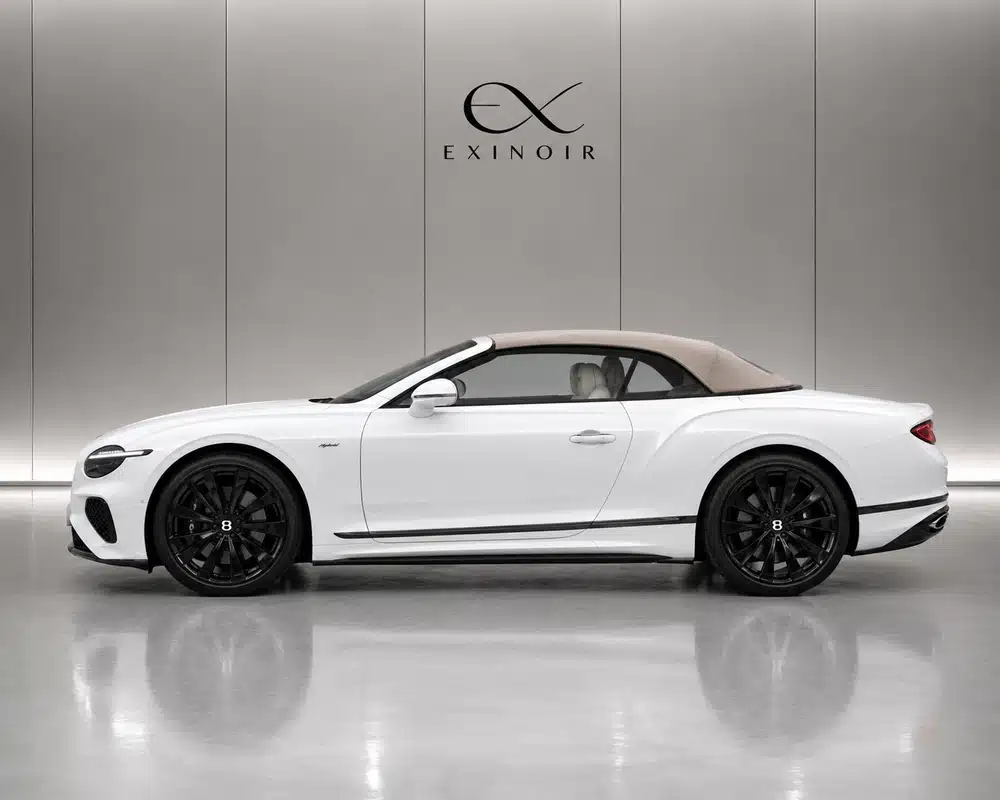
For a softer open-air experience, the Mercedes-Benz CLE Cabriolet or Bentley Continental GTC provides greater comfort and luggage flexibility. The CLE is easier to manage in the city, while the Bentley creates a more prestigious grand-touring experience for routes towards Tegernsee, Salzburg, Zurich or northern Italy. Its width should be checked against hotel garages.
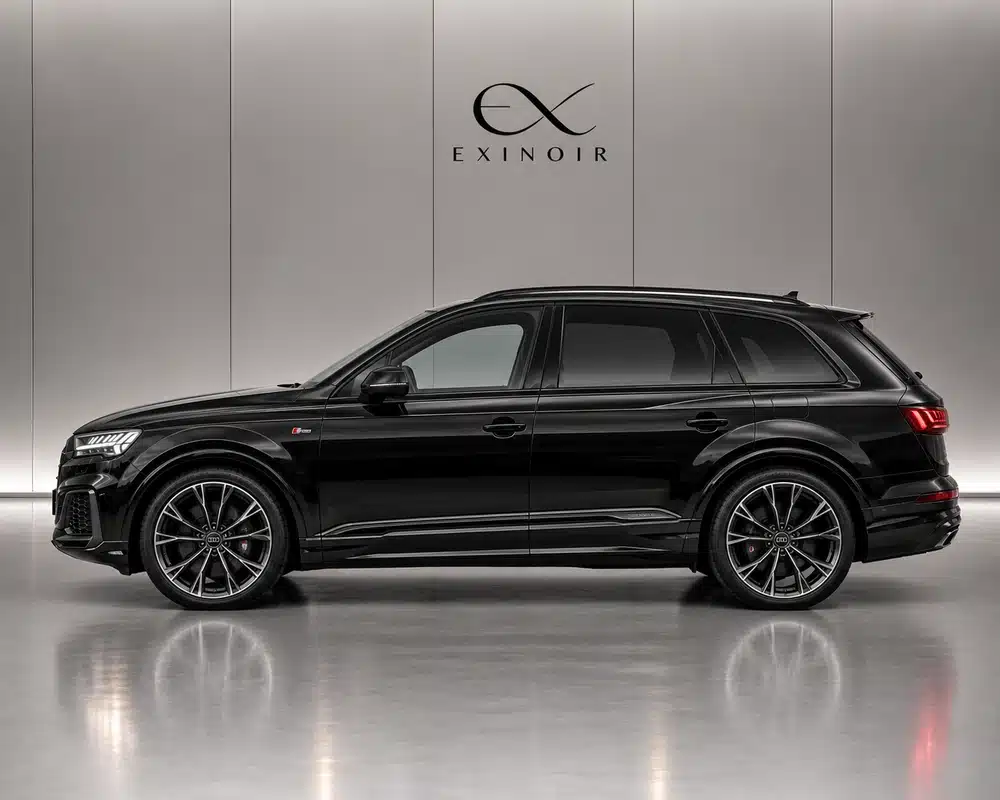
Families and winter travellers should prioritise an all-wheel-drive SUV. A BMW X5, Porsche Cayenne or Range Rover Sport offers a strong balance of luggage space, comfort and manageable dimensions. These models suit Lake Starnberg in summer and Garmisch-Partenkirchen in winter when equipped with the correct tyres.
The BMW X7, Mercedes-Benz GLS and Defender 130 are appropriate for larger groups, ski luggage or extended European trips. Their size can complicate underground parking in central Munich, so garage height and width must be confirmed before booking. A larger vehicle is useful only when its additional capacity is genuinely required.
The Mercedes-AMG G63 fits Munich’s luxury scene and performs confidently in poor weather when properly equipped. However, its height, width and distinctive driving character make it less discreet and less convenient in some city garages. It is best suited to clients who specifically value the model rather than simply needing an SUV.
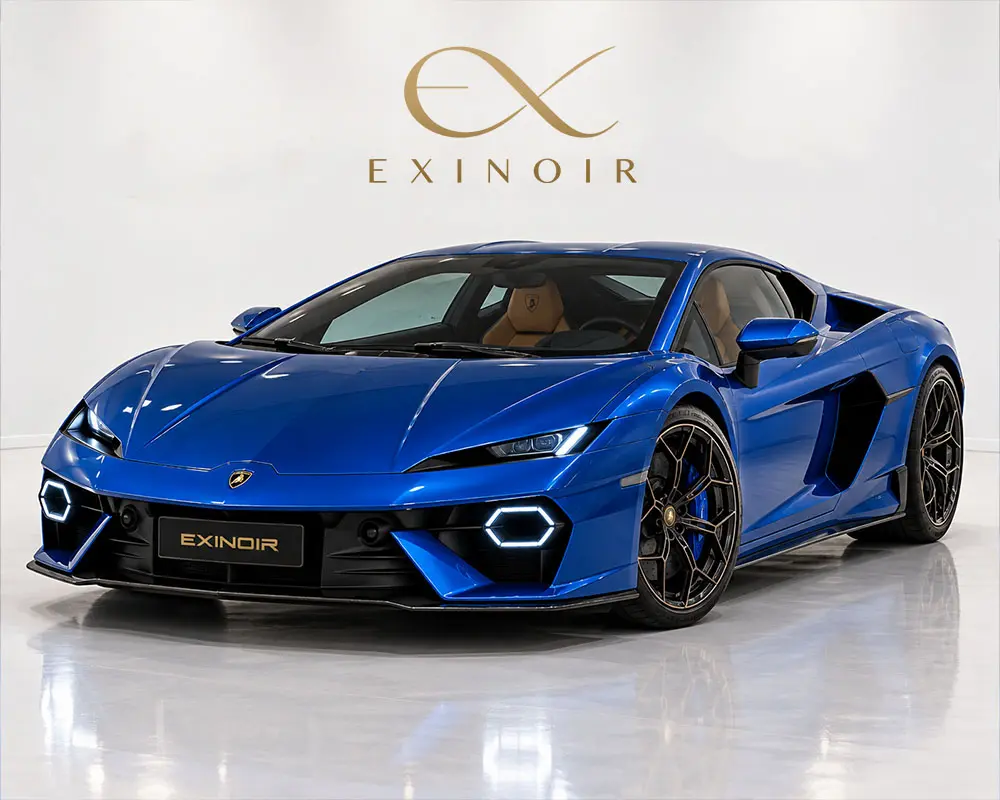
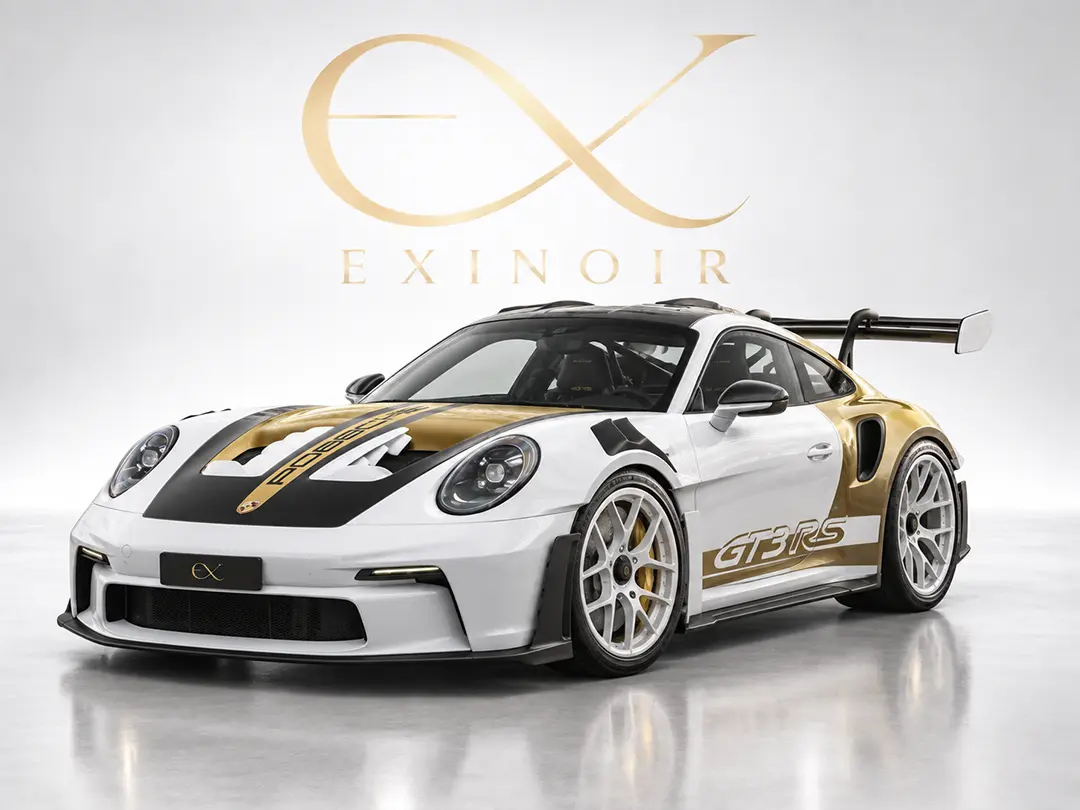
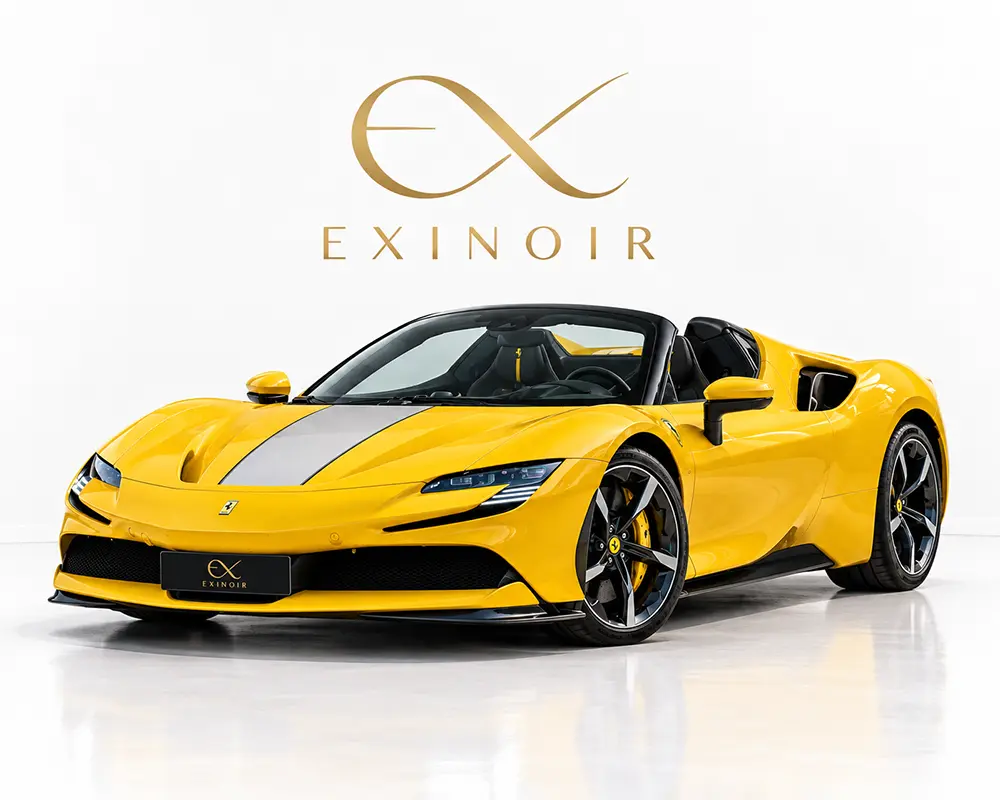
Ferrari, Lamborghini and McLaren models can be chosen for automotive events, special weekends and carefully planned summer itineraries. Munich provides access to excellent roads, but dense traffic, roadworks, environmental requirements and parking remain real constraints. A supercar should be matched to secure accommodation and appropriate weather, never selected on performance figures alone.
Winter equipment matters more than the badge on the bonnet. An all-wheel-drive vehicle on inappropriate tyres is not a substitute for a correctly prepared car. Conversely, during the warmer months a cabriolet or grand tourer can transform the routes around Tegernsee, Chiemsee and the Alpine foothills into one of Europe’s finest self-drive experiences.
Exinoir specialises exclusively in luxury self-drive rental. Vehicle delivery, one-way collection and cross-border use may be arranged when confirmed in advance. In Munich, the right car should reflect the city’s philosophy: sophisticated engineering, purposeful design and performance used with intelligence.
~