Rome travel guide
Local insights, practical information & inspiration.
Rome is not a city to be visited only through a list of monuments. It is a place to experience slowly: through the light falling across ancient stone, the sound of fountains in hidden squares, an espresso enjoyed at the counter of a historic café and an evening that begins with an aperitivo and continues through the streets of Trastevere.
Each district reveals a different personality. The historic centre is theatrical and monumental, Monti feels intimate and creative, Prati is elegant and ordered, while Trastevere retains the atmosphere of a neighbourhood built around narrow streets, traditional restaurants and lively evenings. Further north, Parioli offers refined residential surroundings, while EUR introduces an unexpectedly modern and architectural side of the capital.
Spring and autumn are particularly attractive seasons for visiting Rome. Temperatures are generally comfortable, outdoor dining remains part of daily life and the surrounding countryside becomes especially inviting. Summer offers long evenings and opportunities to combine the city with the Mediterranean coast, although the hottest hours are better reserved for a leisurely lunch, a hotel pool or an indoor museum. Winter is quieter and often allows visitors to discover famous places with a more relaxed rhythm.
Central Rome is best explored on foot, but having a car transforms the possibilities beyond the historic districts. A luxury car rental in Rome makes it possible to combine the capital with private villas, countryside resorts, coastal restaurants and destinations that are difficult to reach conveniently by public transport.
Tivoli, approximately 35 kilometres from Rome, is known for Villa d’Este and Hadrian’s Villa. South of the capital, the Castelli Romani bring together historic towns, volcanic lakes, vineyards and traditional restaurants. Castel Gandolfo overlooks Lake Albano, while Frascati is an elegant choice for lunch, wine tasting or a quiet afternoon outside the city.
North of Rome, Lake Bracciano offers waterside towns and peaceful scenery. Travelling west leads to Ostia Antica, the coast and the seafood restaurants of Fiumicino. Longer itineraries can continue towards Sperlonga and Gaeta, the hill towns of Umbria and Tuscany, or south towards Naples and the Amalfi Coast.
Rome can therefore be both a destination and a point of departure. It suits romantic weekends, cultural holidays, business travel, weddings and extended Italian road trips. The city provides the history and atmosphere; the car gives the journey freedom.
~
What to see in Rome and around
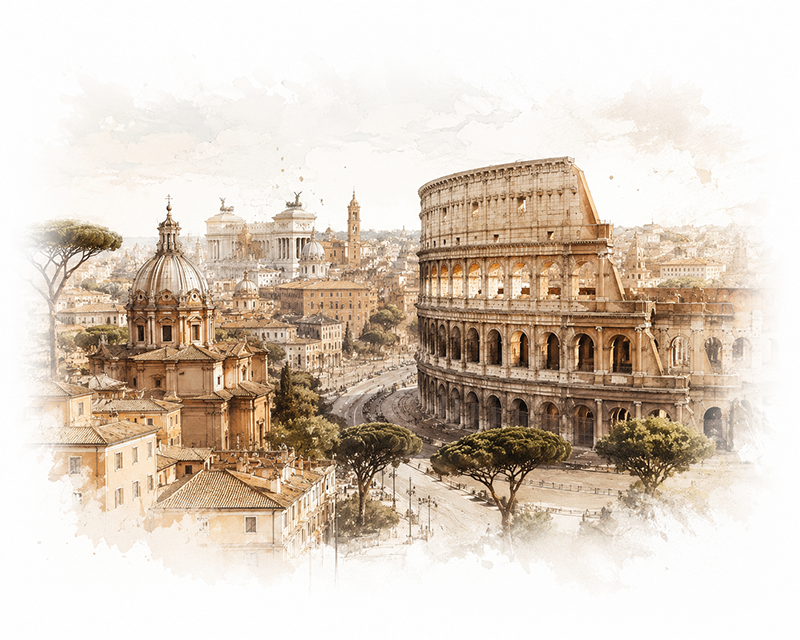
For a first visit to Rome, the natural starting point is the area surrounding the Colosseum, Roman Forum and Palatine Hill. Together, these sites reveal the scale and ambition of the ancient city. The Colosseum is Rome’s most recognisable monument, while the Forum allows visitors to walk through what was once the political, commercial and ceremonial heart of the Roman Empire.
From here, continue towards Piazza Venezia and the Capitoline Hill. The nearby Capitoline Museums contain an important collection of Roman sculptures and artworks, while the terraces around the Vittoriano offer expansive views across the city.
The Pantheon, Piazza Navona and Trevi Fountain form another essential walking itinerary. The Pantheon remains one of the best-preserved buildings of Ancient Rome, while Piazza Navona represents the drama and elegance of the Roman Baroque. A few streets away, the Trevi Fountain becomes particularly atmospheric early in the morning or later in the evening, when the light and sound of the water transform the surrounding square.
Piazza di Spagna, the Spanish Steps and Via Condotti introduce a more fashionable side of Rome. This area brings together historic cafés, prestigious hotels and international luxury boutiques. Villa Borghese begins just above the Spanish Steps and offers gardens, viewpoints and access to the Galleria Borghese, where advance booking is strongly recommended.
Across the Tiber, Vatican City deserves a dedicated part of the itinerary. St Peter’s Basilica, St Peter’s Square and the Vatican Museums contain centuries of art, architecture and religious history. The museum route culminates in the Sistine Chapel, but the collections along the way are equally significant. Castel Sant’Angelo and the Prati district can easily be included in the same day.
Trastevere is one of the best places to experience Rome after sunset. Its cobbled streets, small squares and restaurants create a more informal atmosphere than the monumental centre. Nearby, the Janiculum Hill provides one of the city’s most romantic viewpoints.
For quieter moments, visit the Aventine Hill and the Orange Garden, explore the Jewish Ghetto or follow part of the Appian Way between Roman ruins, catacombs and countryside. Art lovers can search for Caravaggio’s paintings inside Roman churches, while visitors interested in contemporary culture can explore MAXXI or the galleries and architecture of the EUR district.
Two or three days are enough to discover the principal landmarks, but Rome rewards a longer stay. An additional day makes it possible to move beyond the classic attractions, return to a favourite neighbourhood or begin exploring the landscapes surrounding the capital.
~
Driving in Rome: Parking, ZTL and Local Tips
Driving in Rome gives travellers greater freedom, particularly when the itinerary includes airports, countryside hotels, private villas, business appointments or destinations outside the city. Within the historic centre, however, careful planning is essential.
Traffic can be intense during weekday mornings and late afternoons. Scooters frequently move between lanes, road markings may be difficult to see and temporary closures can alter a familiar route without much notice. Allow additional time and avoid planning important arrivals with an excessively narrow schedule.
Rome also has cobbled streets known as sampietrini. They are an important part of the city’s character but can become slippery when wet. Powerful rear-wheel-drive vehicles should be driven smoothly, while low supercars require particular care around uneven surfaces, speed bumps and steep garage ramps.
How does the ZTL work in Rome?
Rome has several camera-controlled Limited Traffic Zones, known locally as ZTL. When a restriction is operating, only authorised vehicles may pass through the controlled entrance. A standard self-drive rental car is not automatically authorised, and it should not be confused with an NCC vehicle—a licensed rental car with a professional driver—which may benefit from different access rules.
The principal historic-centre ZTL currently restricts unauthorised access from 6:30 to 18:00 from Monday to Friday and from 14:00 to 18:00 on Saturday, excluding public holidays. Night restrictions normally operate between 23:00 and 03:00 on Friday and Saturday, except during August.
The Tridente area around Piazza di Spagna has separate restrictions, normally operating from 6:30 to 19:00 on weekdays and from 10:00 to 19:00 on Saturday. Trastevere, San Lorenzo and Testaccio also have their own daytime or nighttime regulations.
Electronic signs are positioned before controlled entrances. Never cross a ZTL gate unless access has been confirmed. Navigation applications can help with general routing but should not be treated as definitive proof that a street is accessible. Each unauthorised entry may result in a separate penalty.
Because schedules and temporary traffic measures can change, always check the official Roma Mobilità website shortly before driving into the centre.
Can my hotel authorise ZTL access?
Some hotels located inside a restricted area may be able to register the vehicle’s licence plate under specific conditions. Contact the hotel before arrival, provide the plate number and ask for explicit confirmation that access has been authorised.
A room reservation alone does not guarantee permission to enter the ZTL. If the hotel cannot confirm registration, arrange an alternative meeting point or park outside the restricted area.
Can electric and hybrid cars enter the ZTL?
Electric or hybrid propulsion does not automatically guarantee unrestricted access. Rome changed parts of its regulations for electric and hydrogen-powered vehicles in July 2026, and registration or other conditions may apply.
Hybrid and electric vehicles may qualify for free parking in municipal blue spaces after the licence plate has been correctly registered, but this parking benefit should not be confused with authorisation to enter every ZTL.
Where should I park in Rome?
For a luxury, sports or exotic car, a private hotel garage or professionally managed indoor car park is generally the safest and most convenient choice. Before arrival, confirm the maximum height, entrance width and ramp angle. These details are particularly important for wide SUVs, long luxury saloons and low supercars.
Blue road markings indicate paid parking. Current ordinary municipal tariffs are generally €1.00 per hour outside the ZTL and €1.20 per hour inside it, although the signs displayed beside the parking area always take priority. White spaces may indicate free parking, while yellow spaces are normally reserved for authorised vehicles or specific categories.
Rome also has park-and-ride facilities near metro and suburban railway stations. They can be practical for conventional vehicles, but clients travelling in a particularly valuable car may prefer a guarded private garage with controlled access and video surveillance.
Do not leave suitcases, shopping bags, documents or valuable objects visible inside the vehicle. If using a hotel valet service, confirm that the hotel is authorised and insured to move the car.
Do I need a car to visit central Rome?
A car is not necessary for visiting the Colosseum, Roman Forum, Pantheon, Trevi Fountain, Piazza Navona or Spanish Steps. These attractions are better connected through a walking itinerary.
The car becomes useful when travelling between airports and hotels, attending events, reaching residential districts or leaving Rome for Tivoli, the Castelli Romani, Lake Bracciano, Ostia Antica or the coast. The most comfortable arrangement is often to park once and continue through the historic centre on foot.
When is the best time to drive in Rome?
Early mornings, evenings outside restricted hours and weekends can provide calmer conditions, although events and temporary road closures may alter traffic at any time. When leaving the city for a day trip, an early departure helps avoid urban congestion and gives more time at the destination.
Can the car be delivered to Rome Airport?
Vehicle delivery may be arranged at Rome Fiumicino or Rome Ciampino, subject to availability and logistical conditions. The meeting point, delivery time and identification procedure should be agreed before arrival.
Fiumicino is approximately 30 kilometres from central Rome, while Ciampino is closer to the city. Travel time depends heavily on traffic, so additional time should be allowed when returning a vehicle before a flight.
Can I collect the car in Rome and return it elsewhere?
One-way collection may be possible between Rome and destinations such as Florence, Milan, Naples or other European cities. Availability and logistics costs depend on the exact vehicle, rental dates and final return location.
~
Choosing the Right Luxury Car for Rome
The best car for Rome depends on the number of passengers, amount of luggage and destinations included in the journey. A vehicle chosen for a romantic coastal weekend will have very different qualities from one intended for a family holiday or a business itinerary.
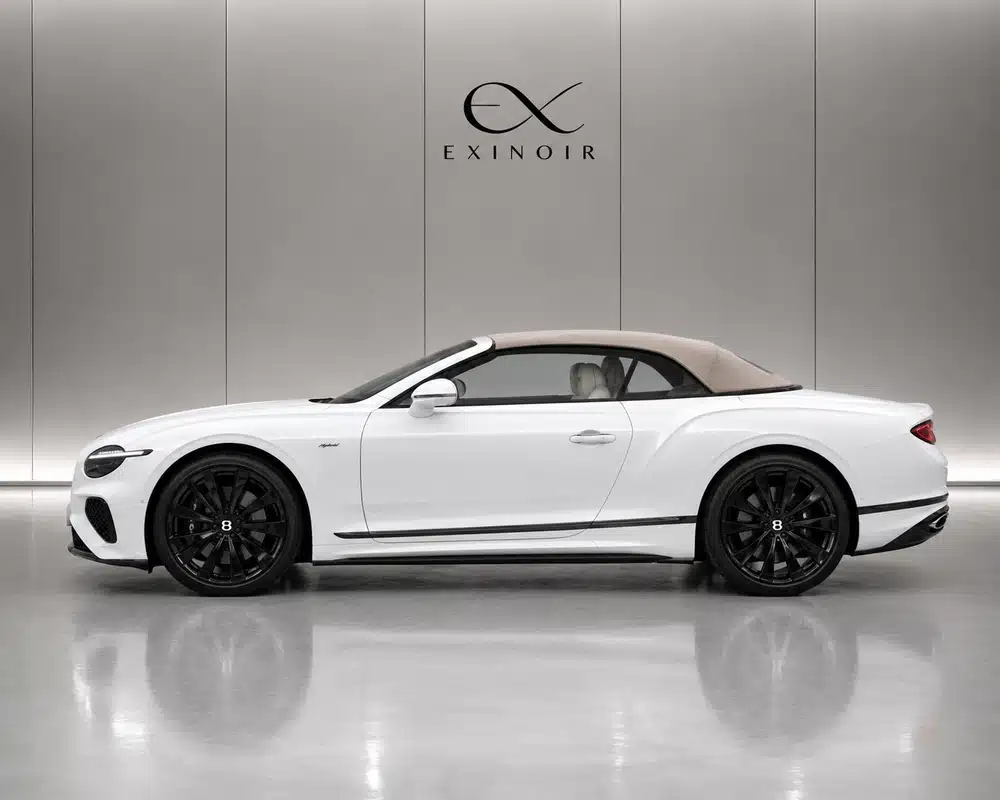
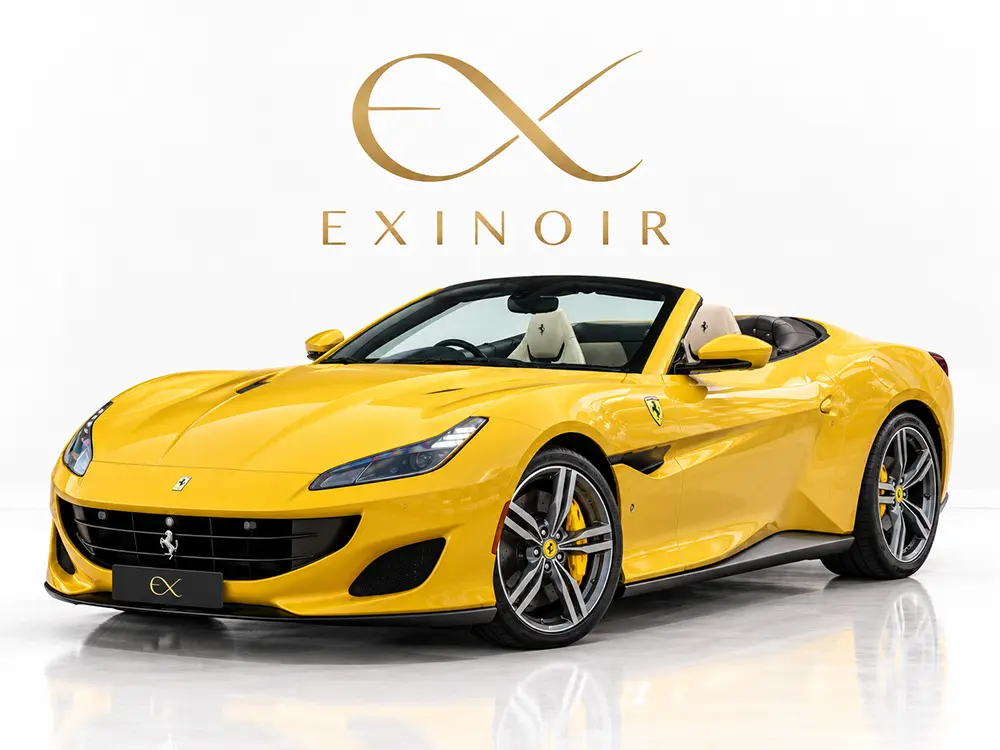
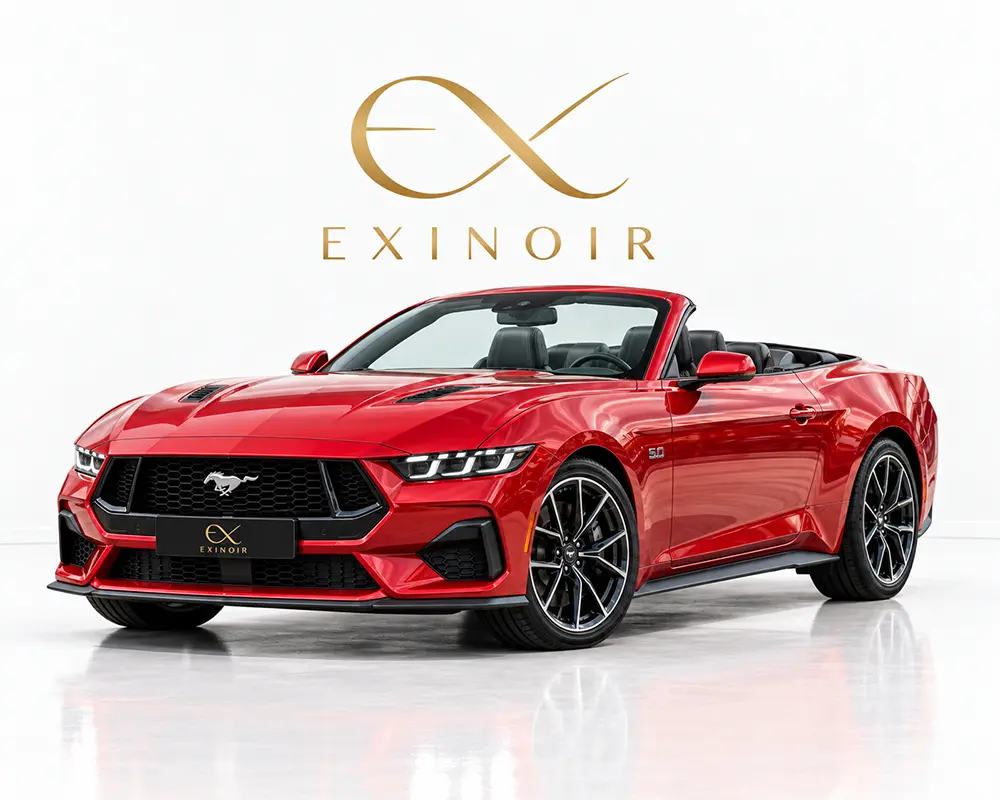
A convertible is ideal for couples travelling during spring, summer or early autumn. With the roof open, the road towards the Castelli Romani, Lake Bracciano or the Mediterranean coast becomes part of the experience. Models such as the Porsche 911 Cabriolet, Ferrari Portofino or Bentley Continental GTC combine performance with a sense of freedom particularly suited to the landscapes around Rome.
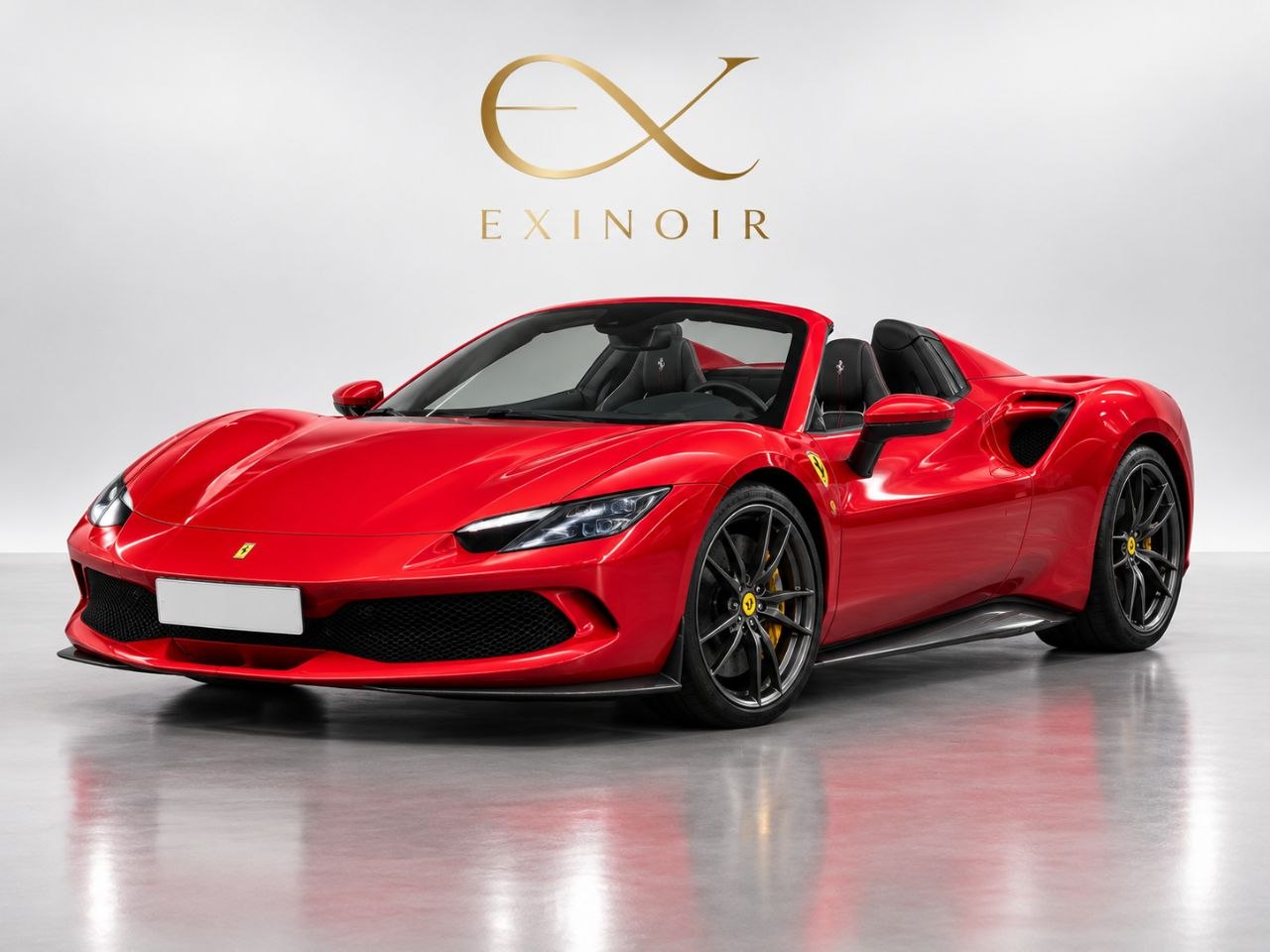
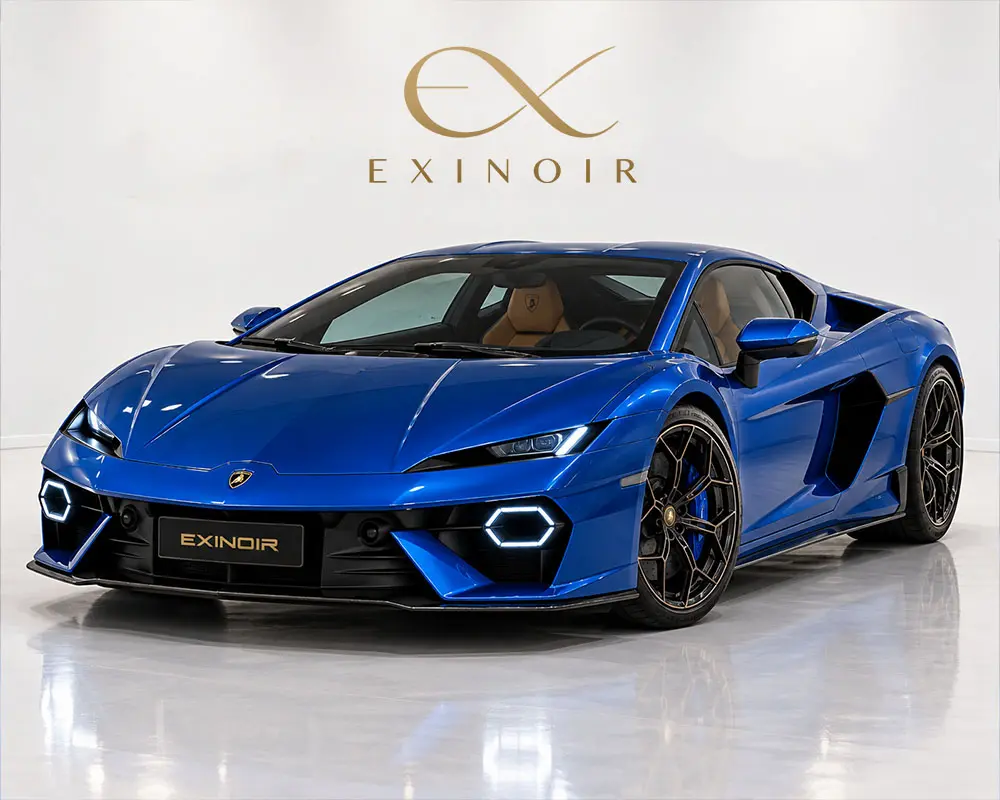
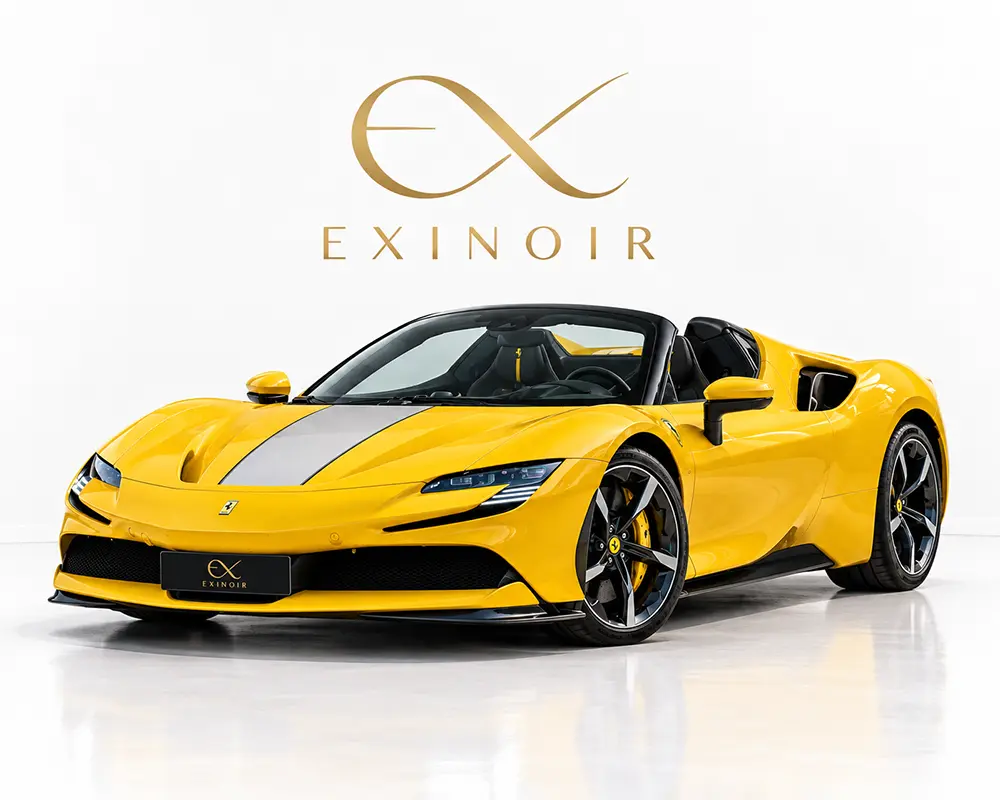
A supercar is an emotional choice for an anniversary, wedding, special event or enthusiast’s weekend. Clients wishing to rent a Ferrari, Lamborghini, McLaren or Porsche in Rome should plan routes outside the congested historic centre, where the car can be enjoyed in a more natural setting. Hotel parking, ground clearance and luggage capacity should be checked before confirming the reservation.
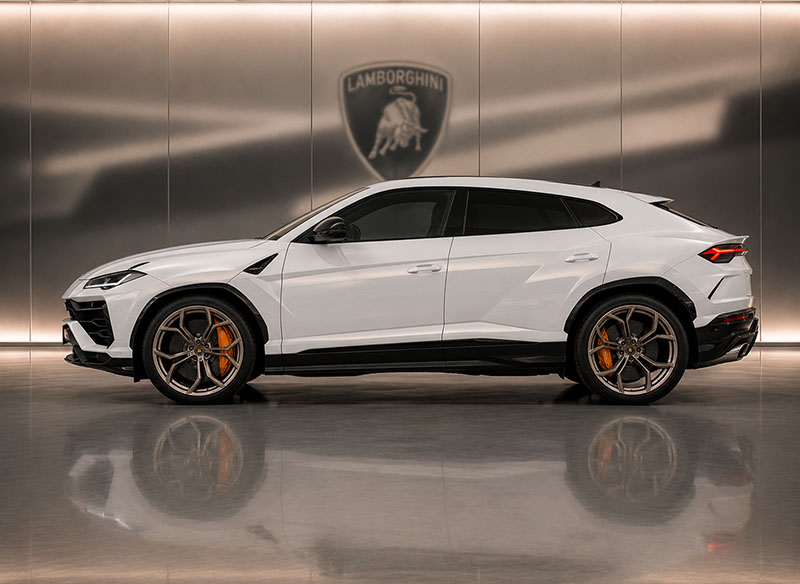
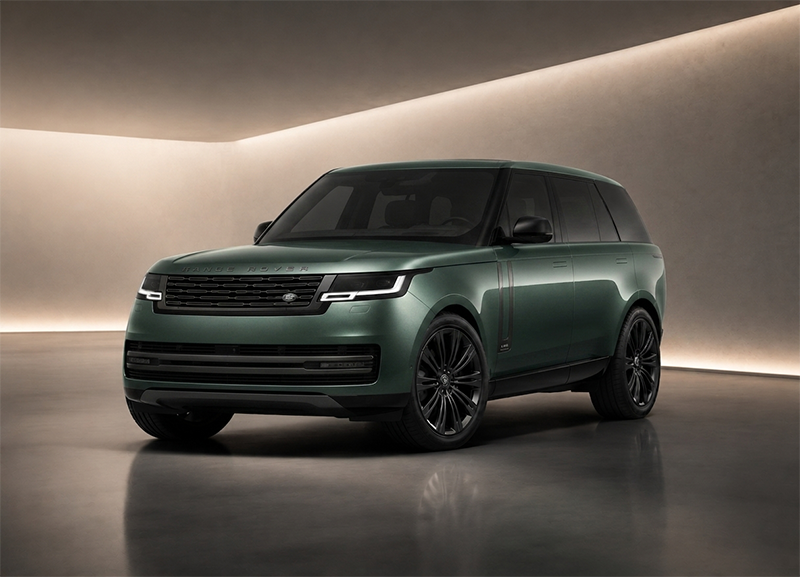
A luxury SUV is often the most versatile option. Models such as the Range Rover, Mercedes-AMG G63, Lamborghini Urus, Aston Martin DBX or BMW X7 provide greater luggage capacity, easier access and more comfort on uneven urban roads. They are particularly suitable for families, longer rentals, countryside properties and journeys continuing towards Tuscany or southern Italy.
A luxury saloon offers a more discreet experience for business travel, formal occasions and motorway journeys. A Mercedes-Benz S-Class or similar model combines rear-seat comfort, elegant arrival and sufficient luggage capacity for airport transfers or multi-city itineraries.
A grand tourer provides a balance between sports-car character and long-distance comfort. It is a strong choice for travellers who want an engaging car without sacrificing refinement, luggage space or comfort during several hours on the road.
Before selecting a car, consider passenger capacity, suitcase dimensions, expected mileage, hotel parking and the surfaces included in the route. For low vehicles, ask whether the car has a front-axle lift system. For summer travel, confirm that luggage will fit without occupying the passenger area. For winter journeys towards mountainous regions, verify the tyres and required seasonal equipment.
Exinoir can arrange a tailored luxury car rental in Rome for city stays, airport delivery, special events and longer European itineraries. Contact our team via WhatsApp with your dates, passenger number, luggage requirements and planned destinations to receive an appropriate selection of available vehicles.
~