Zurich travel guide
Local insights, practical information & inspiration.
Zurich is a city of measured elegance. Its luxury is rarely loud: it is expressed through precision, privacy, exceptional hospitality and the effortless proximity of business, culture, water and mountains. To rent a luxury car in Zurich is to experience this balance on your own terms, moving from a morning appointment in the financial district to an afternoon beside the lake or the beginning of an Alpine road trip without surrendering control of the itinerary.
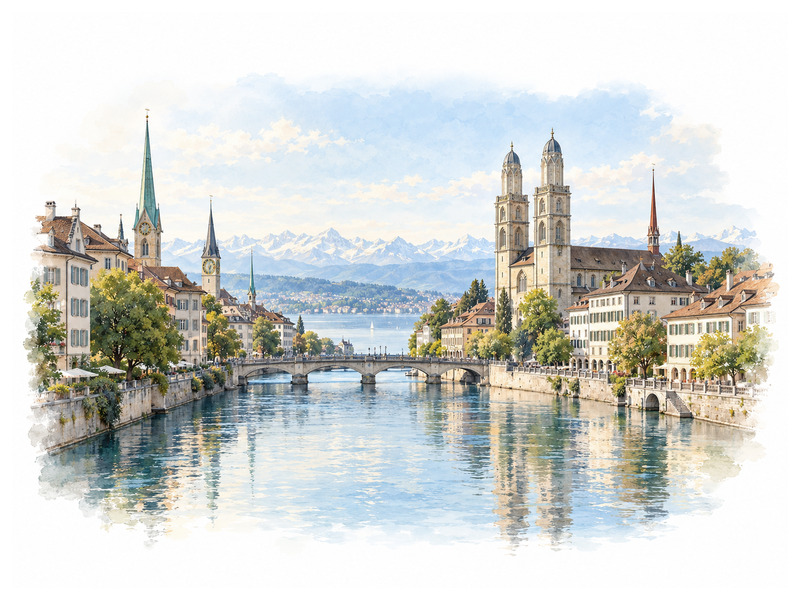
The historic centre unfolds on both sides of the Limmat. The twin towers of Grossmünster define the eastern skyline, while Fraumünster, St. Peter and the lanes of the Old Town create a more intimate perspective at street level. Bahnhofstrasse connects Zurich Main Station with the lake through a sequence of international boutiques, banks, watchmakers and refined hotels. Much of this central area is best explored on foot, using a secure city-centre garage as the base for the day.
Zurich is Switzerland’s leading financial centre and an important destination for banking, technology, insurance, private investment, art and international business. An executive self-drive vehicle offers privacy between the airport, Paradeplatz, Enge, Seefeld, Zürich-West and the city’s lakeside hotels. It also provides the flexibility to continue directly to Zug, Lucerne, Basel, Bern or a mountain resort without waiting for a separate transfer.
Yet Zurich should not be reduced to finance. The city has major cultural institutions, excellent restaurants and neighbourhoods with distinctly different personalities. Kunsthaus Zürich is central to its artistic identity, while the Swiss National Museum introduces the country’s history close to the main railway station. The former industrial district of Zürich-West presents contemporary architecture, design, nightlife and creative businesses, contrasting with the preserved streets of Niederdorf and the quieter villas around Zürichberg.
Lake Zurich changes the atmosphere of the city. In summer, the waterfront becomes part of daily life, with gardens, bathing areas, terraces and boats extending the urban experience towards the landscape. A cabriolet or elegant grand tourer is especially appealing when a city stay includes the eastern lake shore, Küsnacht, Meilen or Rapperswil. The journey is not about speed; it is about the transition from polished city streets to water, vineyards and Alpine views.
Zurich is also one of Europe’s finest starting points for a luxury self-drive holiday. Lucerne offers a historic waterfront, mountain scenery and access to routes around Lake Lucerne. Interlaken opens the way to the Bernese Oberland, while Bern provides arcaded streets and a more historic rhythm. Basel is attractive for art, architecture and business, and the nearby German and French borders make it suitable for a broader international itinerary when cross-border travel is authorised.
For Alpine travel, the choice of route and vehicle becomes part of the experience. Davos and Klosters combine winter sport with international events and year-round mountain landscapes. St. Moritz offers grand hotels, lakes and the dramatic roads of the Engadin. Andermatt sits within a remarkable network of passes, while Gstaad represents a softer form of Alpine luxury through chalets, restaurants and discreet hospitality. Some high mountain passes close seasonally, so navigation must be based on current road conditions rather than a summer map or an old itinerary.
In the warmer months, a Porsche 911 Cabriolet, Bentley Continental GTC or another refined open-top grand tourer can make lake and mountain-valley routes unforgettable. Autumn adds colour and quieter hotels. During winter, an all-wheel-drive luxury SUV is usually the more appropriate choice, particularly when the journey includes ski resorts, snow-covered access roads, substantial luggage or several passengers.
Zurich Airport is one of the most convenient international gateways to Switzerland. Vehicle delivery or collection may be arranged according to the confirmed reservation, airport procedures and applicable logistics. Share the correct flight number, arrival time and WhatsApp contact in advance. The agreed meeting instructions should be followed precisely because airport stopping, commercial activity and vehicle handover are regulated within designated areas.
The city also works well as the beginning or conclusion of an international route. Munich, Milan, Lake Como, Liechtenstein, Innsbruck, the French Alps and northern Italy may be considered as part of a multi-country itinerary. However, international use, Alpine destinations, mileage and one-way return must all be approved for the exact vehicle before departure. A route that appears simple on a map may involve different insurance conditions, road toll systems or seasonal restrictions.
Zurich changes beautifully throughout the year. Spring is ideal for combining museums and lake journeys. Summer favours convertibles, waterfront hotels and longer daylight in the Alps. Autumn brings clear air, colour and quieter scenic roads. Winter gives the city a precise, almost cinematic calm before the journey continues into the mountains. The right rental vehicle should therefore reflect not only status, but also weather, luggage, passenger number and altitude.
Exinoir offers premium and luxury vehicles in Zurich exclusively for self-drive rental. Explore
luxury car rental in Switzerland and build a personalised route connecting Zurich with the country’s cities, lakes and mountain resorts. Collection and return in different approved locations may be available subject to the selected car, dates and logistical conditions.
~
What to see in Zurich and around
Begin in the Old Town, where Zurich’s history is concentrated around the Limmat. Grossmünster is the city’s most recognisable religious landmark, while the lanes of Niederdorf climb through restaurants, courtyards and historic buildings on the eastern bank. Across the river, Fraumünster is known for its stained-glass windows, and St. Peter is distinguished by its large clock face. These areas reward slow exploration on foot rather than repeated short journeys by car.
Bahnhofstrasse begins near Zurich Main Station and continues towards Bürkliplatz and the lake. It is associated with Swiss banking, jewellery, watches and international fashion, but its importance is also geographic: it forms the elegant spine between the station, Paradeplatz and the waterfront. Drivers should use a suitable central garage and approach on authorised streets rather than trying to stop directly beside every destination.
Lindenhof offers one of the most atmospheric views over the Limmat and the roofs of the Old Town. The elevated square is quiet, historic and particularly beautiful in the morning or late afternoon. From here, continue through the lanes towards Rennweg, Münsterhof and the river bridges before returning to the vehicle for the next part of the itinerary.
Kunsthaus Zürich deserves time even during a short business stay. Its collection and temporary exhibitions make it one of Switzerland’s principal art institutions. The Swiss National Museum, housed beside the main railway station, provides a wider cultural and historical context. Design and architecture travellers should also explore Zürich-West, where former industrial structures coexist with contemporary development, galleries, restaurants and creative spaces.
The lake is essential to understanding Zurich. Bürkliplatz and the nearby promenades introduce the waterfront, while Seefeld and Zürichhorn extend the journey through parks and cultural attractions. Continue towards Küsnacht and the eastern shore for a more residential lakeside atmosphere. Rapperswil, known for its historic centre, castle and waterfront, can become the destination for a relaxed half-day self-drive excursion.
For a panoramic view, Uetliberg rises above the city and lake. The final access and parking arrangements should be checked in advance because the summit area is not approached like an ordinary city attraction. The view is particularly rewarding in clear weather, when the lake and Alpine horizon appear as one continuous landscape.
Zurich’s culinary scene ranges from historic dining rooms to contemporary restaurants, Japanese cuisine, modern Swiss cooking and exceptional hotel restaurants. The city also has an active bar and nightlife culture. If an evening includes alcohol, leave the rental vehicle safely parked and use an alternative form of transport. A self-drive luxury car should expand the journey, never become a reason to compromise safety.
Beyond Zurich, Lucerne is one of the strongest first excursions, combining architecture, water and mountain scenery. Zug offers a quieter lakefront and important business connections. For a full-day route, consider Bern, Basel or the eastern Swiss landscapes around Appenzell. Longer stays can continue towards Davos, St. Moritz, Interlaken, Gstaad or Ticino, with the vehicle category adapted to season and road conditions.
~
Driving in Zurich: Parking, ZTL and Local Tips
Driving in Zurich is orderly but demands attention. The road network includes trams, buses, cyclists, one-way streets, restricted-access areas and many streets with low posted speed limits. The historical centre contains pedestrian areas where private access may be restricted. A practical strategy is to use a secure central garage, explore the compact core on foot and reserve the car for business districts, airport journeys, the lake and destinations outside the centre.
Does Zurich have a city-centre environmental sticker?
Zurich does not use the German green Umweltplakette system for normal access. This does not mean that every street is open to private vehicles: pedestrian zones, access restrictions, local traffic measures and temporary closures still apply. Follow the sign at the entrance to each street rather than assuming that the absence of an environmental sticker permits access.
How does parking work in central Zurich?
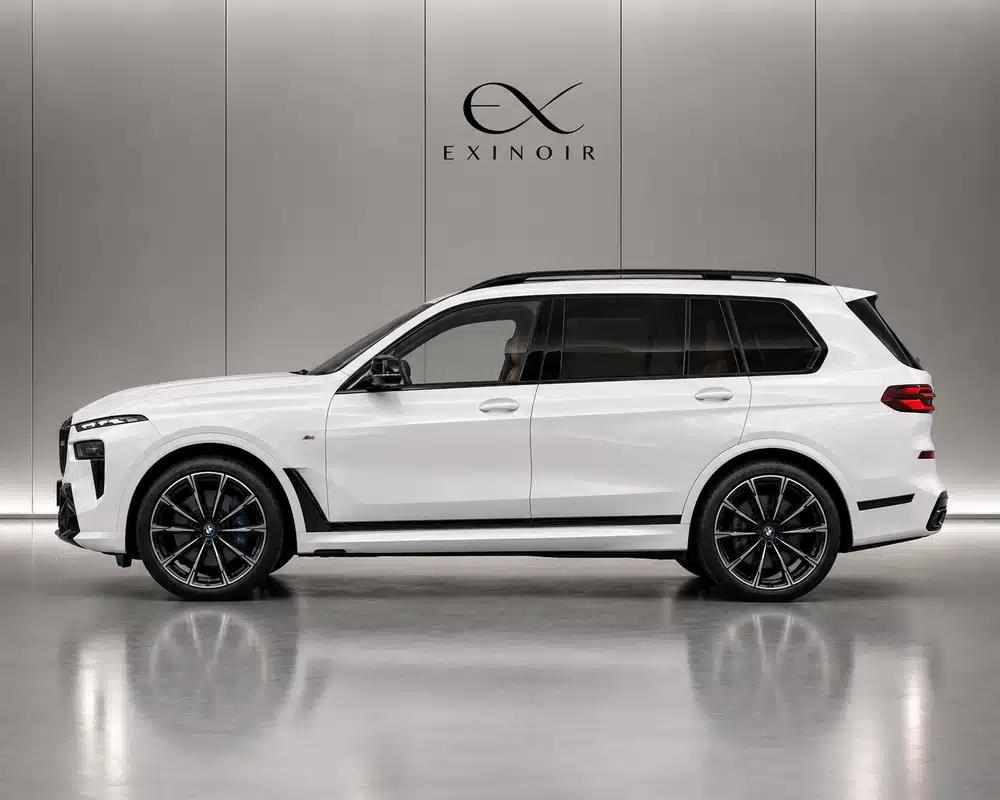
For the Old Town, Bahnhofstrasse and Kreis 1, an underground or multi-storey garage is normally the most convenient solution. The city-centre guidance system helps drivers locate available parking. Check the vehicle’s height and width before entering with a BMW X7, Mercedes-Benz GLS, Defender 130 or another large SUV.
What is the blue parking zone?
Blue spaces are regulated parking areas that generally require a correctly displayed parking disc or an appropriate permit, depending on the duration and local rules. The City of Zurich states that Kreis 1 has no blue-zone parking spaces and recommends using central garages. Digital day permits for eligible blue-zone parking are available, but a permit does not authorise parking where stopping is otherwise prohibited.
Do I need a Swiss motorway vignette?
Yes, when using Swiss motorways and designated expressways with a vehicle up to 3.5 tonnes. Switzerland offers a physical sticker and an electronic vignette. The 2026 vignette costs CHF 40 and is valid from 1 December 2025 until 31 January 2027; there is no daily or weekly version. A rental vehicle may already be equipped, but this must be confirmed before entering a road where the vignette is required.
What are the general Swiss speed limits?
Unless signs indicate otherwise, the general limits are 50 km/h within built-up areas, 80 km/h outside built-up areas, 100 km/h on expressways and 120 km/h on motorways. Many Zurich streets have lower signed limits, including 30 km/h zones. Swiss enforcement is strict, so the posted limit should be treated as an absolute maximum, not a target.
Are winter tyres compulsory in Switzerland?
There is no universal calendar-based legal obligation to fit winter tyres. However, the driver must remain in control of the vehicle at all times. Driving with unsuitable tyres in snow or ice can create liability, insurance and legal consequences, especially if it contributes to an accident or obstruction. For winter rentals and Alpine routes, suitable seasonal equipment should be discussed and confirmed in advance.
Will I need snow chains?
Chains may be required on particular roads when indicated by the relevant traffic sign, unless an explicitly permitted exemption applies. Conditions can change rapidly in mountain areas. Never begin an Alpine journey without checking the forecast, road status, vehicle equipment and whether the driver is comfortable fitting and using chains correctly.
Are all Alpine passes open throughout the year?
No. Several high passes close during winter or may be temporarily unavailable because of snow, avalanche risk, maintenance or weather. A navigation application may propose an unsuitable seasonal route. Check current official road information and keep an alternative itinerary through tunnels, lower roads or car-transport services where appropriate.
What should I know about trams and cyclists?
Trams form a central part of Zurich’s transport system. Do not obstruct tracks, and pay close attention at stops and junctions where passengers or cyclists may cross the vehicle’s path. Check mirrors and blind spots before turning across a cycle lane or opening a door. Road markings and signals take priority over navigation instructions.
Can the vehicle be delivered at Zurich Airport?
Airport delivery or collection may be organised subject to the confirmed booking, airport rules and logistics. Provide accurate flight details and an active WhatsApp number. Use only the designated meeting point communicated for the reservation; waiting or handing over a vehicle in an unauthorised curbside or parking area may not be permitted.
Can I drive from Zurich to St. Moritz or Davos?
Yes, both are excellent self-drive destinations, but season, weather, luggage and equipment should guide the choice of vehicle. An all-wheel-drive luxury SUV is generally the most versatile winter option. During warmer months, a grand tourer or sports car may suit the journey, provided the chosen route is open and the vehicle’s luggage capacity is sufficient.
Can I cross into Italy, Germany, Austria or France?
Cross-border travel requires prior written approval for the specific vehicle. Insurance, mileage, security rules and permitted countries can vary, especially for high-value cars and supercars. Provide the complete international itinerary when requesting the quotation and never cross a border based only on verbal assumptions.
Can I return the vehicle in another Swiss or European city?
A one-way return may be possible when arranged in advance. Zurich can be combined with Geneva, Basel, St. Moritz, Milan, Munich or another approved destination, but the quotation will depend on vehicle availability, route and logistics. The final return point must be confirmed before departure.
~
Choosing the Right Luxury Car for Zurich
Zurich is one of the few destinations where an executive saloon, open-top grand tourer and all-wheel-drive luxury SUV can each be the perfect choice—provided the car matches the season and itinerary. The city itself rewards discretion and precision, while the surrounding lakes and mountains invite a more emotional style of driving.
For banking, investment meetings and corporate travel, the Mercedes-Benz S-Class and BMW 7 Series are natural choices. Their quiet cabins, refined suspension and understated authority match the atmosphere of Paradeplatz, Bahnhofstrasse and Zurich’s leading hotels. They are equally comfortable for motorway journeys to Basel, Bern, Zug or Lucerne.
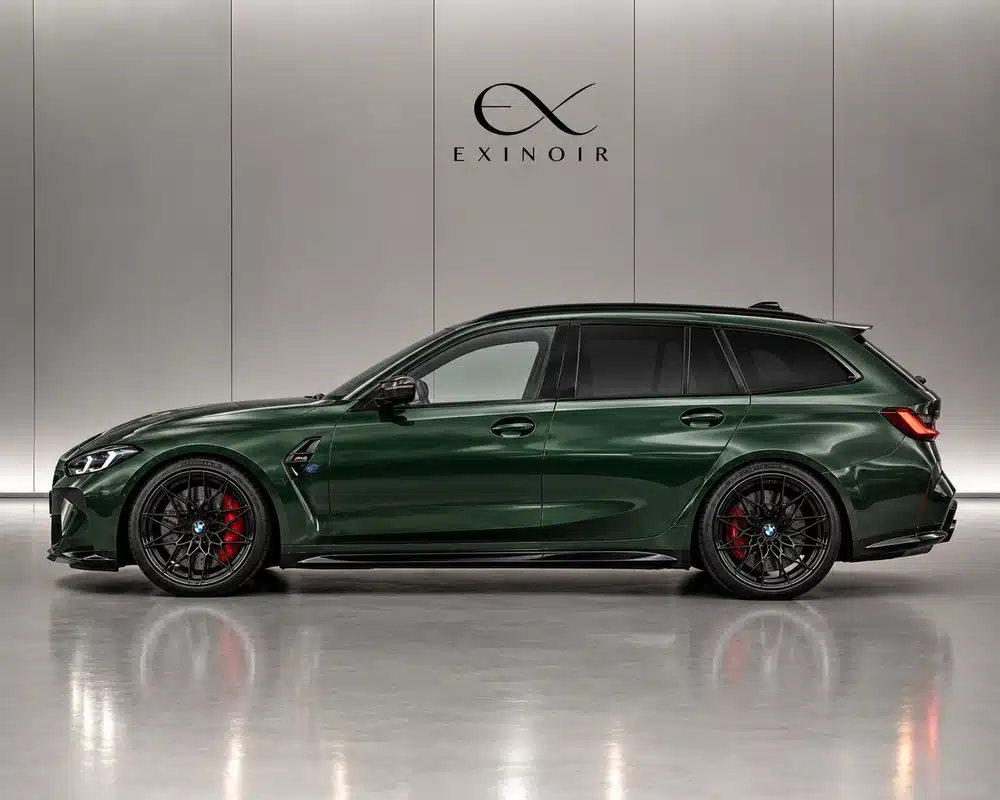
A Mercedes-Benz E-Class, BMW 5 Series or comparable executive car provides a more discreet and manageable option for longer urban stays. For a driver who wants serious performance without losing luggage space, a BMW M5 Touring or high-performance all-wheel-drive saloon is particularly well suited to Zurich: elegant enough for business, practical for ski equipment and capable on long intercity routes.
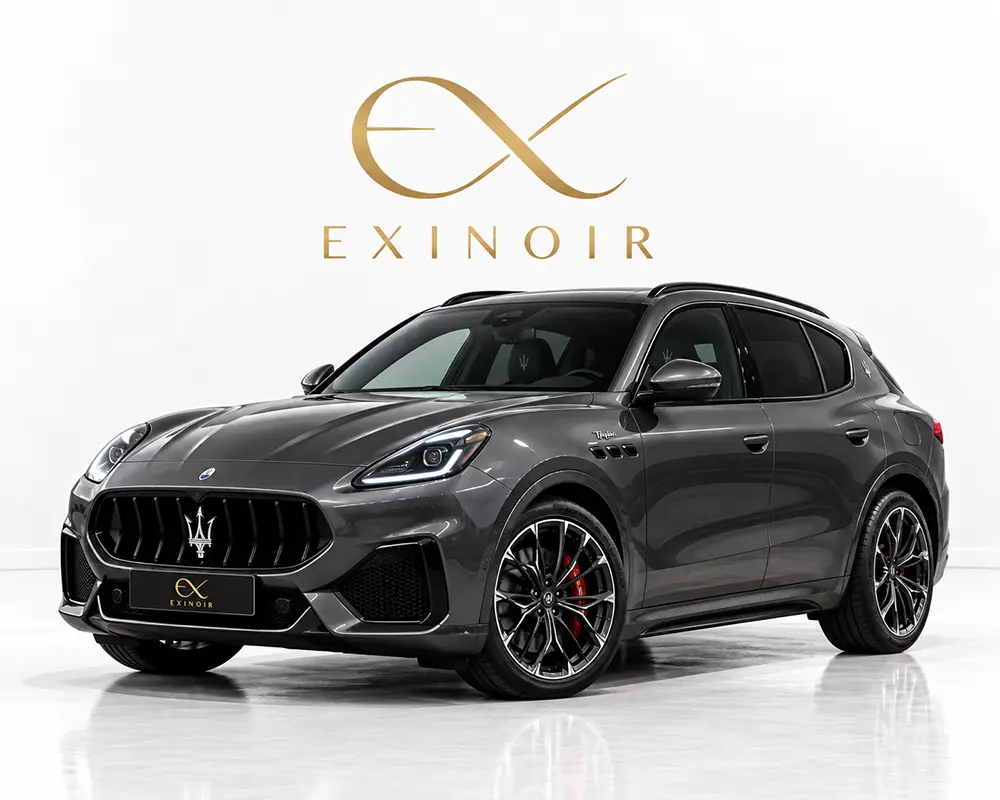
Luxury SUVs become the strongest choice when the itinerary moves into the Alps. A Range Rover Sport, Porsche Cayenne or BMW X5 balances comfort, luggage capacity and dimensions suitable for everyday use. A Mercedes-Benz GLS, BMW X7 or Defender 130 is more appropriate for families, larger groups and extensive luggage, although garage dimensions in central Zurich and mountain hotels should be checked carefully.
The Mercedes-AMG G 63 suits winter resorts and high-profile arrivals through its distinctive design and all-season presence. It is especially appropriate for St. Moritz, Davos, Gstaad or Andermatt, but its size and character make it less discreet in compact city garages. It should be selected intentionally, not simply because it is the largest option.
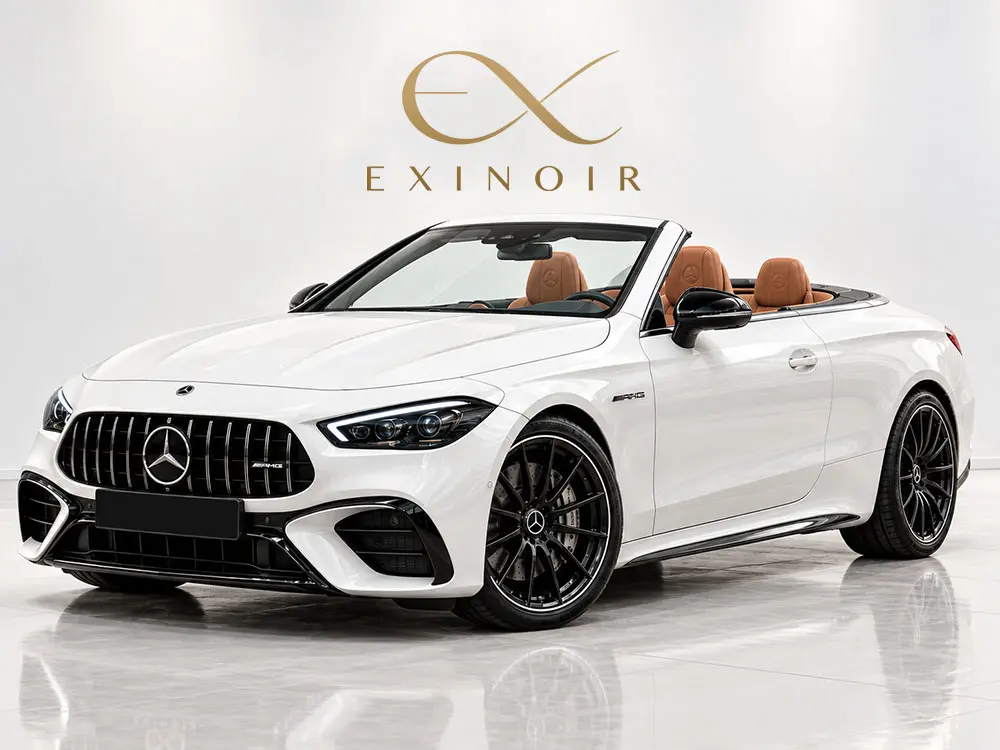
In spring and summer, Zurich becomes a natural cabriolet destination. A Bentley Continental GTC creates an elegant grand-touring experience beside Lake Zurich and on longer routes towards Lucerne or Ticino. A Mercedes-Benz CLE Cabriolet is lighter and easier for relaxed lakeside travel, while a Porsche 911 Cabriolet adds precision and intimacy for a couple travelling with limited luggage.
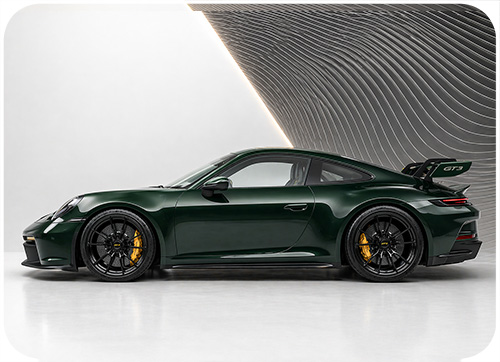
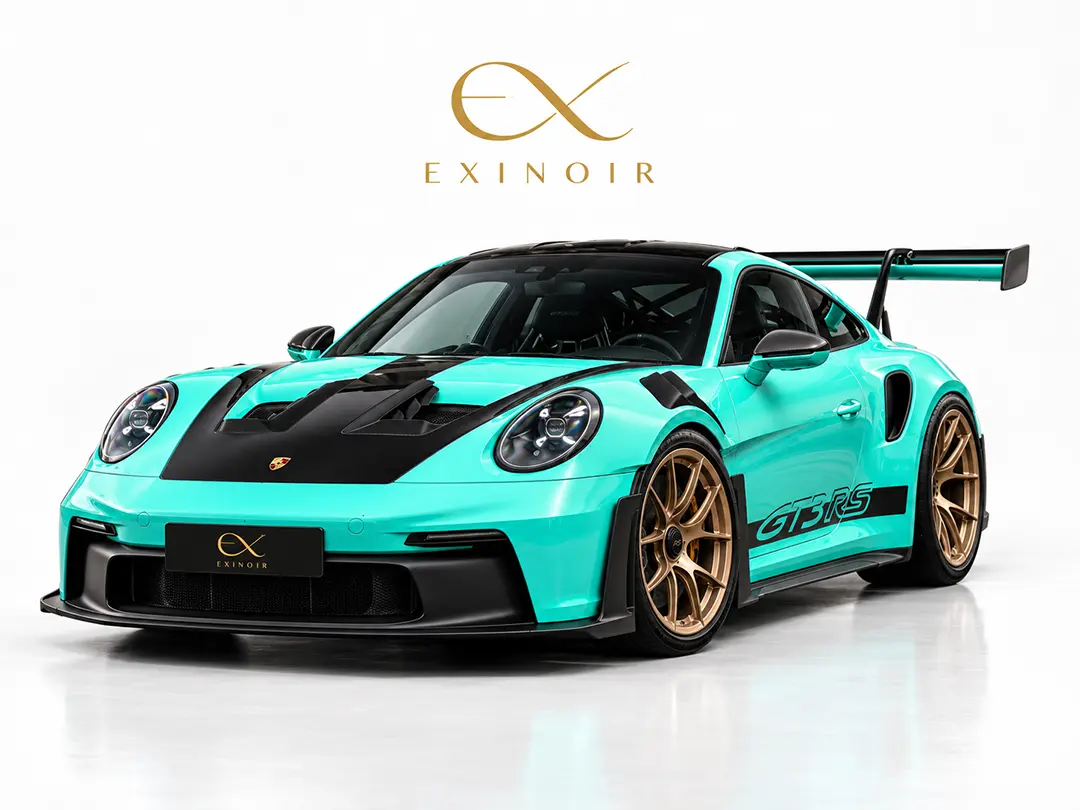
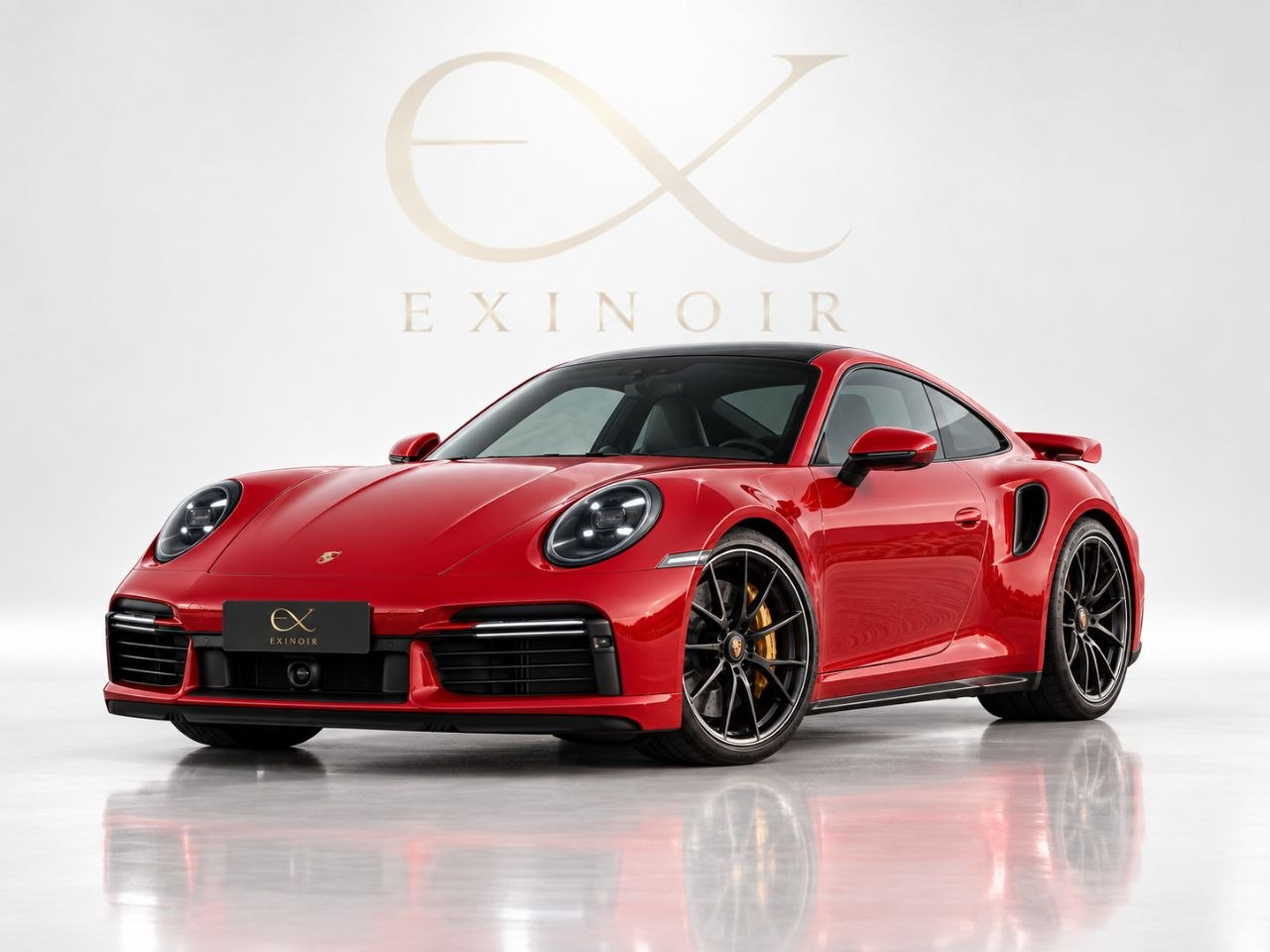
The Porsche 911 coupe, Carrera GTS or Turbo S is one of the most complete sports-car choices for Switzerland. Compact dimensions, strong braking, high-quality engineering and everyday usability make it more versatile than many extreme supercars. It can feel appropriate outside a Zurich hotel, beside a mountain pass or on a long journey towards the Engadin, always within the limits imposed by law and conditions.
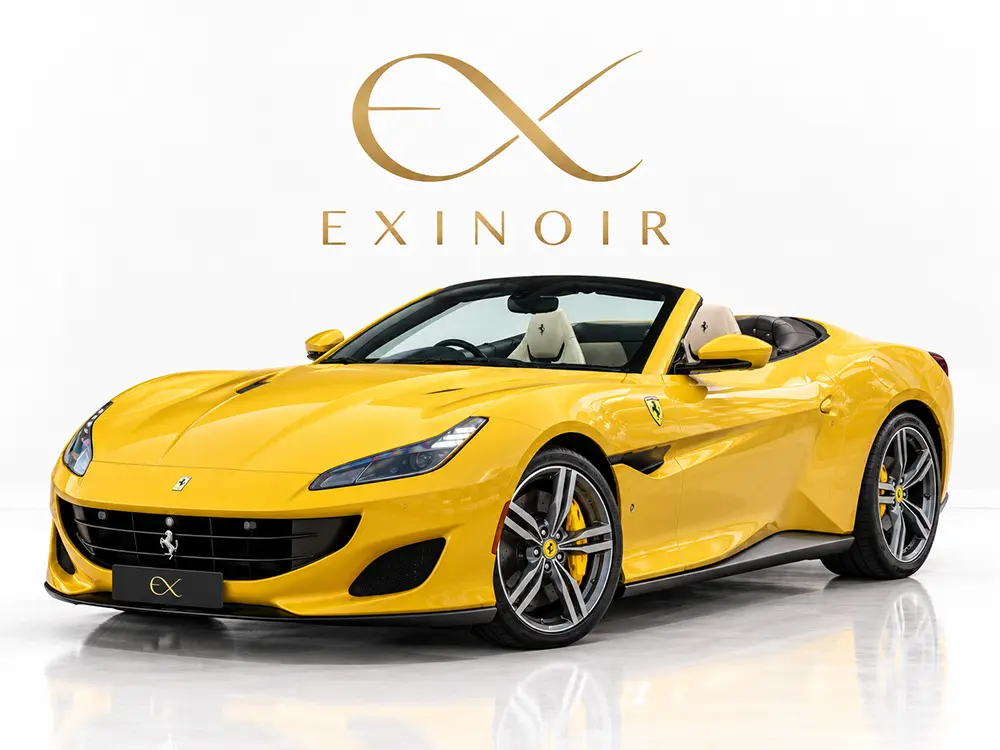
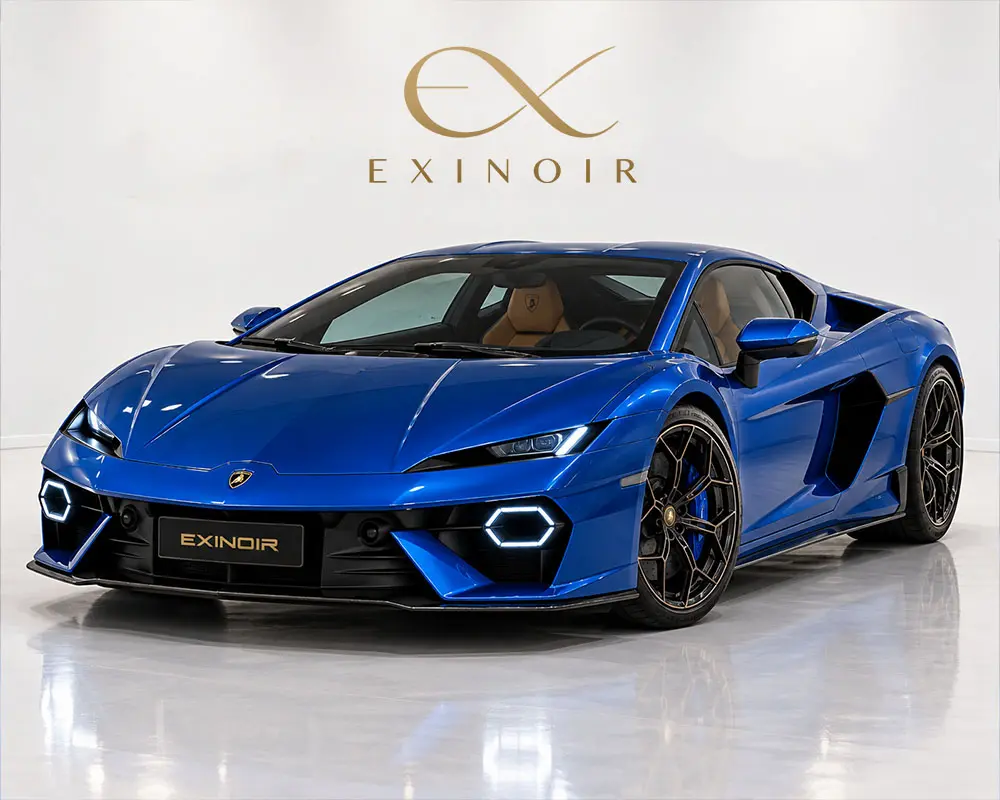
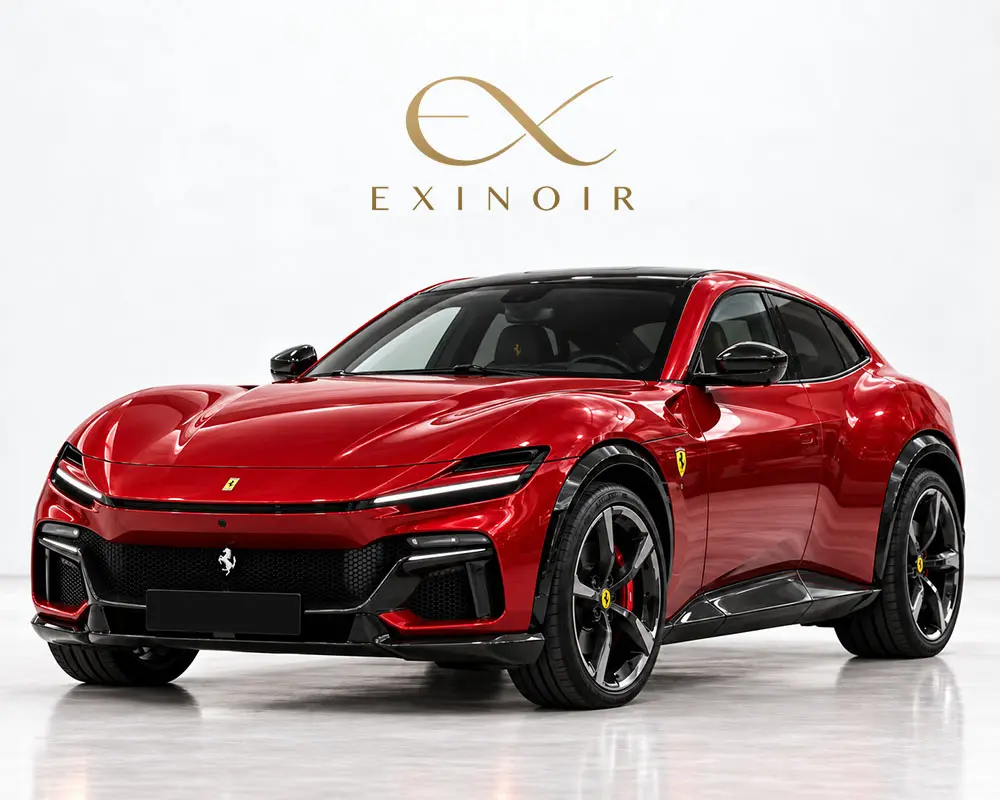
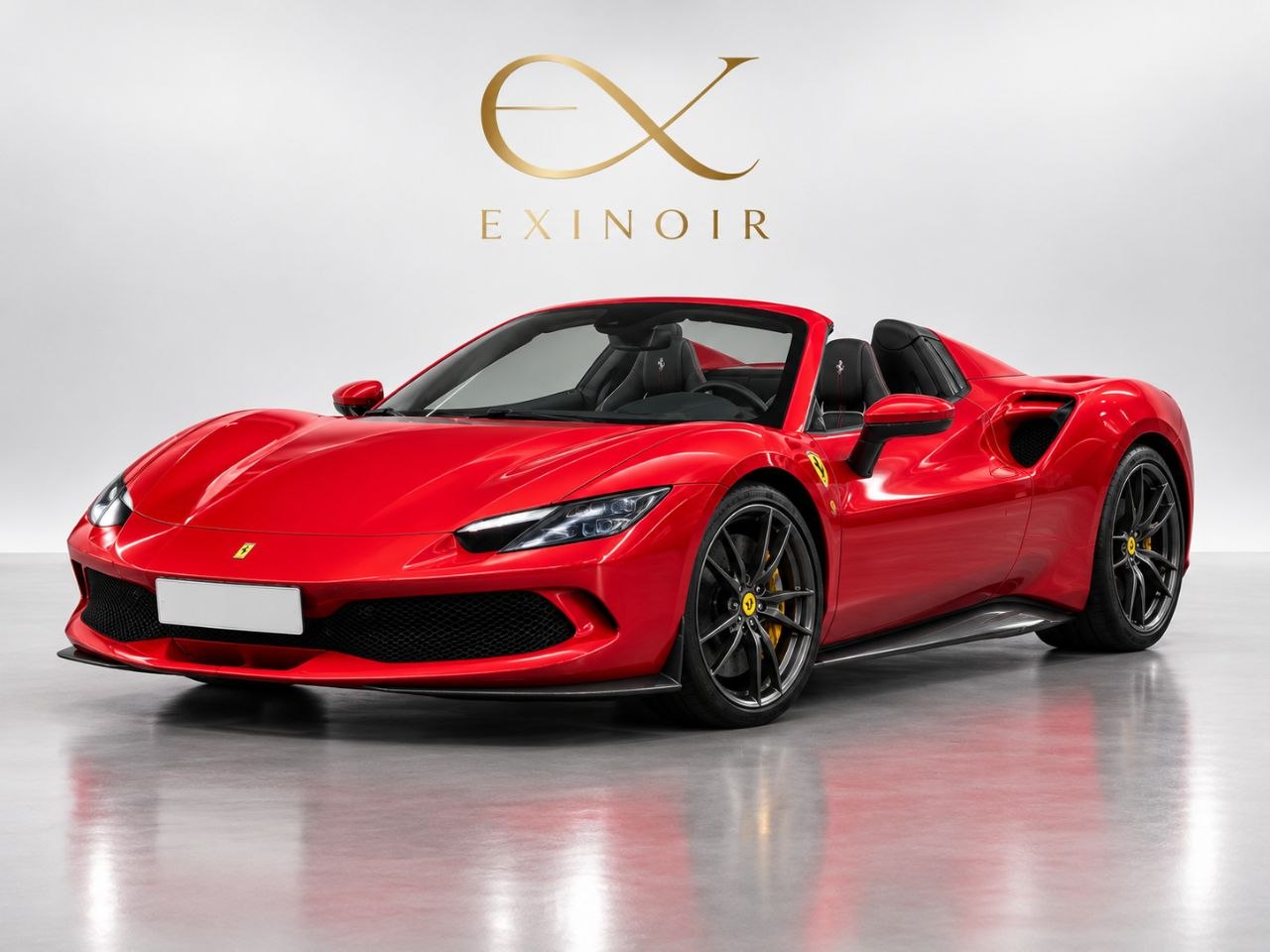
Ferrari, Lamborghini and McLaren models are best reserved for warm-season events, celebrations and carefully designed routes. Switzerland offers extraordinary scenery, but strict speed enforcement, mountain weather, low garage entrances and limited luggage space mean that the itinerary must be planned around the vehicle. A supercar is not automatically the best winter car, even when it is equipped with all-wheel drive.
For a romantic summer journey, choose a convertible or grand tourer. For business, an executive saloon remains the most coherent option. For a family holiday or ski resort, select a properly equipped luxury SUV. For a mixed itinerary connecting Zurich, the lake and long-distance roads, a Porsche Cayenne, Range Rover Sport or performance estate may provide the best balance.
Exinoir offers luxury car rental in Zurich exclusively on a self-drive basis. When contacting the team through WhatsApp, provide the dates, preferred vehicle, passenger number, luggage, delivery location and complete route. For Alpine or cross-border travel, also specify every intended destination so that availability, equipment and rental conditions can be checked before confirmation.
~